



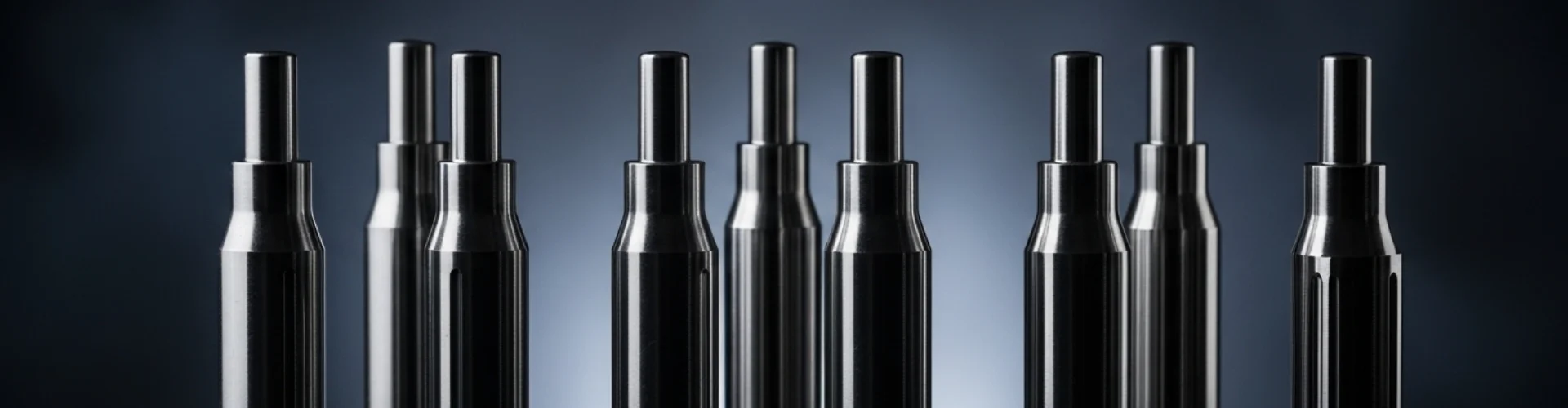
Why Punches Break in Stamping Molds and How to Prevent It
Punch breakage is one of the most common issues in metal stamping production. When a punch fails, production must stop immediately, which can lead to significant delays and additional costs.
Understanding the main causes of punch failure helps manufacturers avoid these problems.
One of the most common reasons is incorrect material selection. If the punch material does not have sufficient toughness or wear resistance, it may crack after repeated impacts. Tool steels such as SKD11 or high-speed steel are usually recommended for demanding applications.
Another cause is poor mold alignment. When the upper and lower mold halves are not perfectly aligned, uneven force is applied to the punch. Over time, this stress concentration may lead to breakage.
Improper heat treatment can also weaken punch performance. Heat treatment processes must be carefully controlled to achieve the correct hardness and toughness balance.
Finally, excessive stamping force can shorten the lifespan of punches. Production parameters should always match the mold design specifications.
By selecting the correct materials, maintaining proper mold alignment, and performing regular inspections, manufacturers can significantly reduce punch failure rates.
Share:



Written By Sunshine
At Sunshine, we are a professional manufacturer and supplier of precision mould components, offering a wide range of products for stamping and injection mould applications. Our core focus includes punching dies, ejector pins and sleeves, and guide posts and bushings. With advanced CNC machining, strict quality control, and strong production capabilities, we ensure reliable, high-precision parts, along with in-stock standard components for fast and efficient global supply.
NEWS
GET SERVICE
With quality parts to meet every budget and friendly staff trained to make your visit informative and hassle free.
