



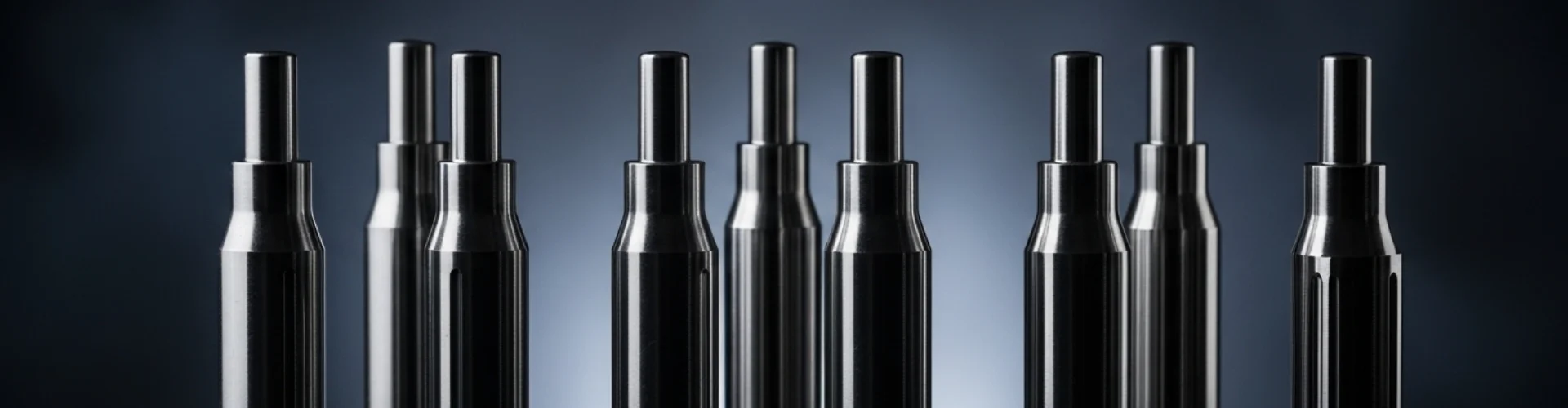
Sunshine Strengthens Mold Manufacturing Capabilities for Global Clients
Accurate injection mold production is a key feature of the modern production environment of the world. The need to have more accurate industries, faster production processes and more detailed geometries of the parts is increasing thus the value of the advanced tooling is increasing. The key to this evolution lies in mold components in modern manufacturing, which define the effectiveness, durability, and accuracy of each injection molding process.
In automotive components to medical devices and electronic enclosures, precision molds are necessary to create consistent and high quality components in large quantities. The technology to create moulds is changing the way products are being designed, developed and delivered.
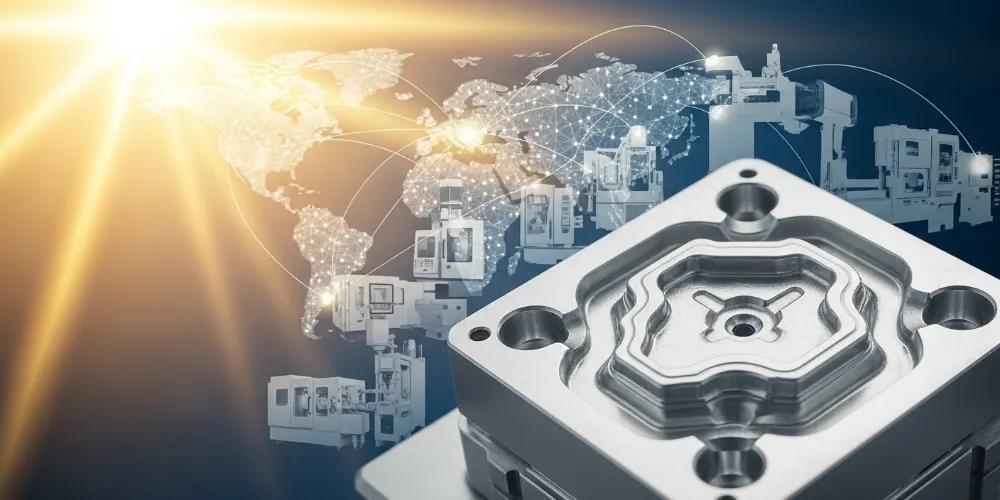
Precision role in injection mould production
Injection mold manufacturing is based on precision. Any slight variation in the structure of the mold may lead to flaws like flash, warping or inconsistency in dimensions. In order to prevent these problems, manufacturers are using machining processes that are well controlled and high quality standards.
Precision molding refers to the process of designing complicated tooling that will allow the manufacture of identical components with close tolerances many times. This involves sophisticated engineering, selection of the material and very precise machining.
In contemporary production, accuracy is not only a necessity, but a competitive edge as well. Those companies that can create high-accuracy molds can offer high quality of the product, waste minimization, and high production efficiency.
Important Mold Parts in the new manufacturing systems
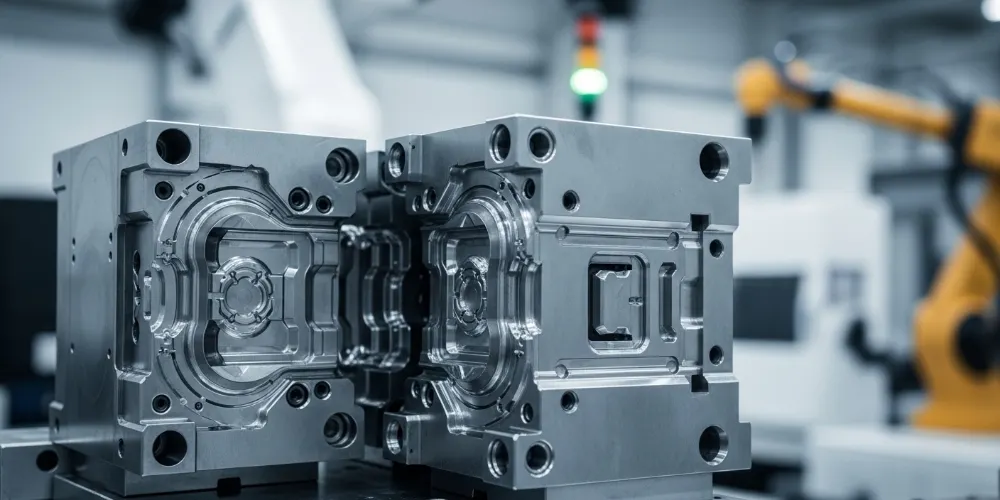
There are several interrelated parts that constitute a precision injection mold and that all play a role in the overall functionality of the system. These are mold cavity, ejector pin, ejector guide system, cooling and ejector guide mechanism.
The shape of the final product is determined by the cavity and core, and the dimensional accuracy is achieved. Guide pins and bushings help in keeping track of positioning in the process of mold operation to avoid misplacement and wear. Ejector systems allow the removal of finished parts to be smooth and not damaging the surface.
All the channels used in the cooling process control the temperature distribution, which is critical in ensuring a steady part quality and minimizing the cycle time. The flow of molten material into the cavity is regulated by runners, which have a direct influence on surface finish and structural integrity.
These components of molds together in modern manufacturing make a highly synchronized system that has efficiency, reliability and precision.
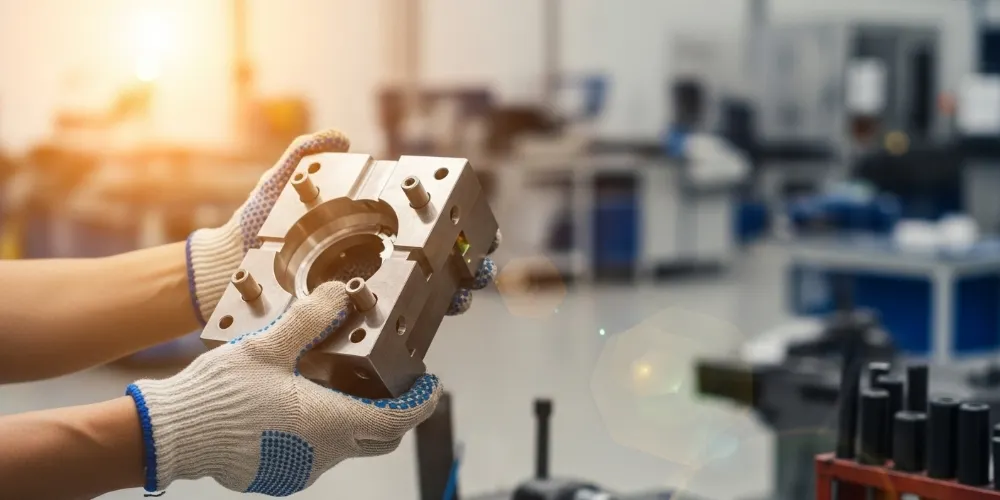
Modern Machining Technologies to Produce Molds
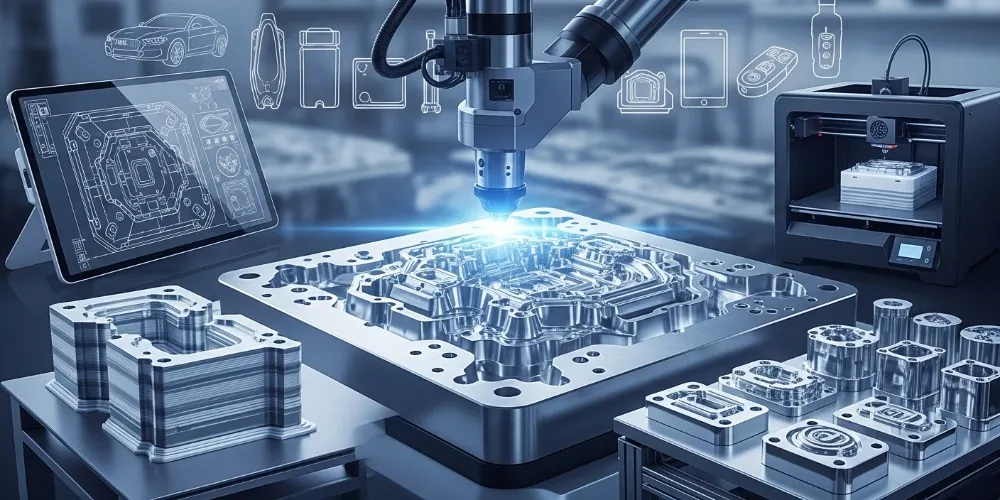
Modern machining technologies are important in the development of precision injection molds. CNC machining, electrical discharge machining (EDM) and high-speed milling is popular in order to create very fine tolerances and complicated shapes.
The technologies enable manufacturers to make complex mold parts with high repeatability and accuracy. Contemporary machining centers can be used with a level of precision of microns, meaning that all the parts fit into the mold assembly flawlessly.
Moreover, the machining automation has also enhanced consistency in production. Computer-controlled systems minimise human error and enable production to be continuous with a low level of variation.
Precision Mold Manufacturing- Material Innovation
Another important consideration in the manufacture of molds is material selection. To maintain the durability and wear resistance, high-strength tool steels, hardened alloys, and surface-coated materials are often employed.
These materials should be resistant to high pressure, temperature variations and repetitive production processes without deforming. Nitriding, chrome plating, and PVDs are surface treatments that make surfaces even harder and lower friction.
With advanced materials, manufacturers are able to enhance the life of mold components in current manufacturing systems without compromising the performance over time.
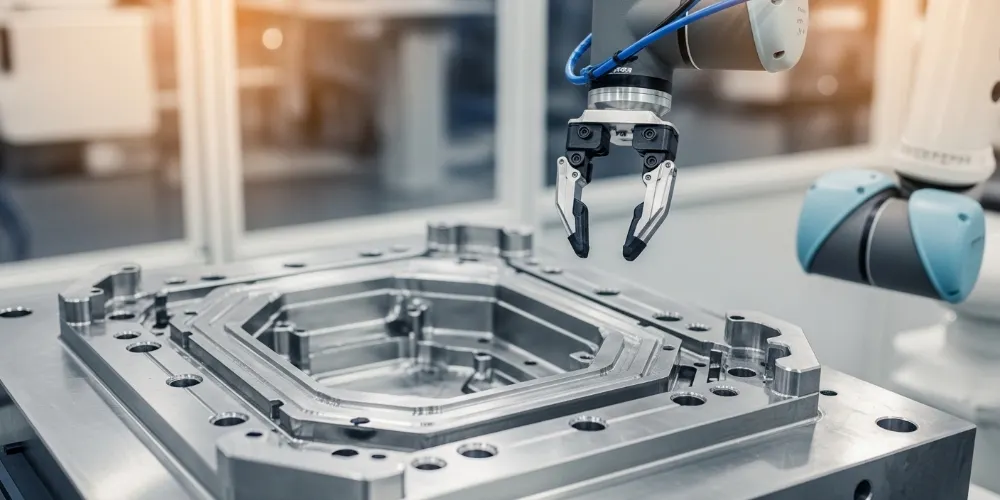
Optimization and Efficiency of the Cooling System
One of the key factors in precision injection mold manufacturing is cooling efficiency. Ineffective cooling design may result in non-uniform shrinkage, extended cycle time and quality of products.
Contemporary molds frequently include optimised cooling systems, such as conformal cooling systems which follow the contours of the mold cavity very closely. This guarantees even distribution of temperature and quicker heat extraction.
The better cooling systems not only increase the quality of the product; they also shorten production time and use of energy which makes the manufacturing process economical and sustainable.
Smart Manufacturing Integration and Automation
Precision mold manufacturing is becoming a highly efficient and intelligent process through automation. Robotic systems find extensive application in handling of parts, assembly of molds, and inspection of quality.
Moreover, the intelligent manufacturing technologies are being incorporated into mold systems. Molds have sensors that can measure temperature and pressure and cycle time in real-time. This information will enable manufacturers to maximize performance and identify possible problems before they cause defects or downtimes.
Production data is also being analyzed through artificial intelligence and this is used to enhance process stability, which is further increasing the reliability of mold components in recent production.
Performance Consistency and Quality Control
In precision mold manufacturing, quality control is crucial. All mold parts should be carefully checked to guarantee that they are dimensionally correct, and structurally stable.
Tolerances are checked at the micron level by using advanced measuring systems like coordinate measuring machines (CMM). This will make sure that every part is designed to fit specifications and will be reliable in the production process.
Regular quality control is not only helping in minimizing the instances of defects but also enhancing the overall production efficiency and consumer satisfaction.
Precision Mold Manufacturing Sustainability
The concept of sustainability is gaining more significance in contemporary production. Precision mold production helps to increase the sustainability through minimizing waste material, enhancing energy savings and prolonging the life cycle of the product.
Environmental impact is reduced by efficient cooling systems, long-lasting materials and optimization of designs. Also, the recyclable materials and energy-saving production processes are being implemented throughout the industry.
With the world enhanced environmental norms still on the increase, the concept of sustainable mold manufacturing will be instrumental in industrial growth in the future.
The Future of Mold Components in the Modern manufacturing
Digital transformation and smart factories closely relate to the future of precision injection mold manufacturing. Mold performance and reliability will be further enhanced with artificial intelligence, machine learning, and predictive maintenance systems.
There will also be an increasing role of additive manufacturing in creating complex mold components at a low cost and within a short time. This will allow the ability to prototype quicker and more flexible design.
With increased automation and data-driven manufacturing, mold components will transform into smart devices in linked production systems, enhancing efficiency, precision, and flexibility.
FAQ
What does precision injection mold manufacture mean?
Precision injection mold manufacturing is the design and the manufacturing of high-precision molds to be utilized in the production of plastic components with narrow tolerances and with uniform quality.
Why are mold components important in modern manufacturing?
Mold components provide appropriate alignment, flow of materials, cooling and ejection of the parts which directly influence the quality of the product and production efficiency.
Which technologies are applied in manufacturing precision molds?
Widely used technologies are CNC machining, EDM, high speed milling, CAD/CAM design systems and automated inspection equipment such as CMM.
What is the impact of the cooling on the injection mold performance?
The ability to cool efficiently cuts the cycle time, enhances dimensional stability and eliminates defects by maintaining a uniform temperature distribution throughout the molding process.
What will become of precision injection mold manufacturing?
There is smart molds with built-in sensors, AI-based optimization, new materials and more automation and additive manufacturing in the future.
Share:



Written By Sunshine
At Sunshine, we are a professional manufacturer and supplier of precision mould components, offering a wide range of products for stamping and injection mould applications. Our core focus includes punching dies, ejector pins and sleeves, and guide posts and bushings. With advanced CNC machining, strict quality control, and strong production capabilities, we ensure reliable, high-precision parts, along with in-stock standard components for fast and efficient global supply.
NEWS
GET SERVICE
With quality parts to meet every budget and friendly staff trained to make your visit informative and hassle free.
