



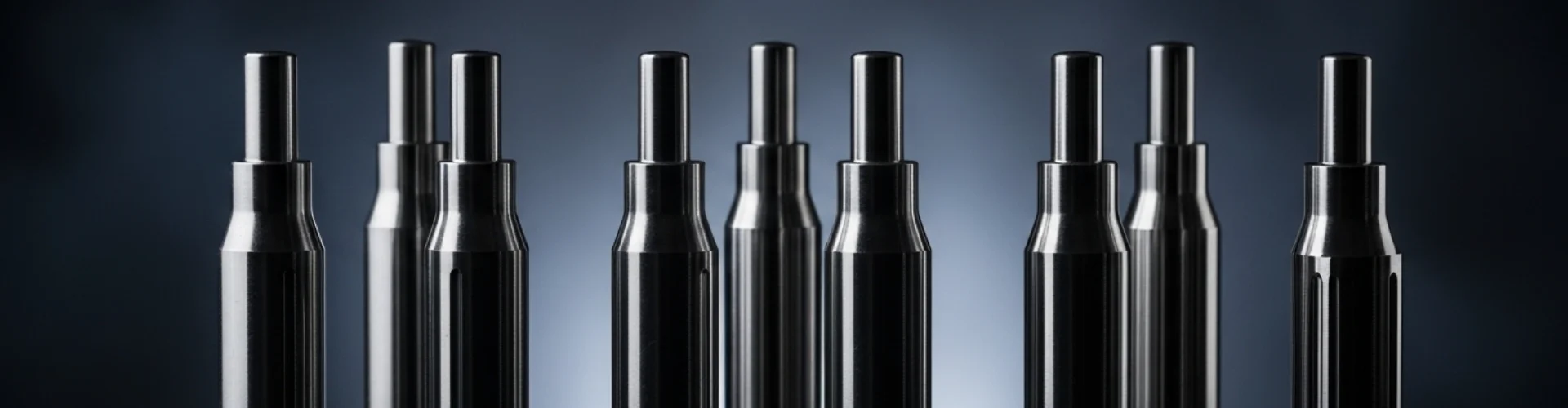
How Precision Mold Components Support the Electronics Industry
Precision mold components for electronics are high-accuracy tooling parts designed to support the manufacturing of electronic housings, connectors, and micro-components with strict dimensional requirements. These precision mold components for electronics are produced using advanced CNC machining and high-grade tool steel to ensure tight tolerances, excellent wear resistance, and stable performance during high-volume injection molding. They play a critical role in maintaining consistency and reliability in electronic product manufacturing.
Growing Demand for High-Precision Components
Modern electronic devices require extremely small and precise metal parts. Connectors, shielding components, and micro-mechanical structures are often produced using high-precision stamping molds.
To achieve consistent results, these molds rely on highly accurate mold components.
Key Mold Components Used in Electronics Manufacturing
Punch Pins
Punch pins create holes and shapes in thin metal sheets used for electronic connectors and terminals.
Guide Posts and Bushings
Guide components ensure precise alignment of the upper and lower molds, which is essential when producing micro-scale components.
Ejector Systems
In plastic components such as connectors or housings, ejector pins help release molded parts without damaging delicate structures.
Why Accuracy Matters
Electronic components often require tolerances within a few microns. Even a slight misalignment in the mold system can result in defective products.
High-precision mold components ensure stable production and consistent product quality.
Conclusion
As the electronics industry continues to demand smaller and more complex components, the importance of precision mold components will continue to grow.
FAQ
- What are precision mold components for electronics used for?
They are used to manufacture high-accuracy electronic parts such as connectors, housings, and micro-components in injection molding processes. - Why are precision mold components important in electronics manufacturing?
They ensure tight tolerances, consistent quality, and reliable performance for sensitive electronic applications. - What materials are used in precision mold components for electronics?
Common materials include hardened tool steel, stainless steel, carbide, and wear-resistant alloys. - Where are precision mold components for electronics commonly applied?
They are widely used in consumer electronics, semiconductor devices, automotive electronics, and communication equipment. - What benefits do precision mold components provide?
They improve product accuracy, reduce defect rates, extend mold life, and support high-volume automated production.
Share:



Written By Sunshine
At Sunshine, we are a professional manufacturer and supplier of precision mould components, offering a wide range of products for stamping and injection mould applications. Our core focus includes punching dies, ejector pins and sleeves, and guide posts and bushings. With advanced CNC machining, strict quality control, and strong production capabilities, we ensure reliable, high-precision parts, along with in-stock standard components for fast and efficient global supply.
NEWS
GET SERVICE
With quality parts to meet every budget and friendly staff trained to make your visit informative and hassle free.
