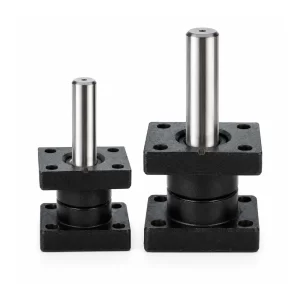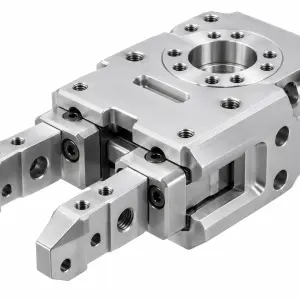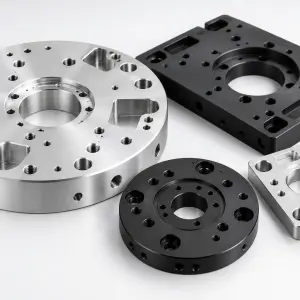



High-Precision Motor Housings for Robotics


Precision Motor Housing for Robotics
Precision CNC machining for robotic motor housings with stator bores, bearing seats, shaft interfaces, encoder mounts, and complex mounting features. Supports tight GD&T requirements, 5-axis machining, lightweight materials, and prototype-to-low-volume production.
- Precision Stator & Bearing Bores
- Concentricity & Runout Control
- 3-Axis to 5-Axis CNC Machining
- Aluminum / Stainless Steel / Titanium
- Prototype & Low-Volume Production
Product Description
Introduction
Precision Motor Housing for Robotics is used to manufacture high-accuracy structural housings for motors integrated into robotic joints, actuators, drive modules, and motion systems. Accurate machining helps maintain motor alignment, bearing fit, shaft position, thermal stability, and reliable assembly during repeated robotic operation.
Robotic motor housings often contain precision bearing seats, stator mounting bores, shaft interfaces, concentric internal diameters, encoder mounting features, cable passages, cooling surfaces, and thin-wall structures. Small deviations in concentricity, bore size, flatness, or mounting position can affect rotor alignment, vibration, bearing load, noise, and overall motor efficiency.
Our CNC capabilities include 3-axis, 4-axis, and 5-axis milling, CNC turning, boring, drilling, threading, tapping, and precision finishing. Machining strategies, datum control, workholding, and inspection methods are selected according to critical motor interfaces, GD&T requirements, wall thickness, and assembly conditions.
Motor housings can be machined from aluminum alloys, stainless steel, titanium, and other engineering materials, with anodizing, hard anodizing, passivation, polishing, plating, and coating available according to functional requirements. Prototype, engineering sample, and low-volume production can be supported from customer drawings.
Specifications
| Item | Specification |
|---|---|
| Product Name | Precision Motor Housing for Robotics |
| Material | Aluminum / Stainless Steel / Titanium / Custom |
| Manufacturing Process | Milling / Turning / Boring / Drilling / Threading / Tapping / Precision Finishing |
| Part Geometry | Cylindrical / Thin-Wall / Deep Bore / Complex Multi-Surface Features |
| Tolerance | Up to ±0.005 mm / According to Drawing |
| Surface Finish | Precision Machined / Ground / Polished / Custom |
| Color | Natural / Black / Material-Dependent |
| Production Volume | Prototype and Low-Volume Production |
| Inspection | CMM / Height Gauge / Micrometer / Caliper / Custom Inspection Plan |
| Documentation | Inspection Reports and Material Documents Upon Request |
| Applications | Humanoid Robots / Cobots / Robotic Actuators / Service Robots / Industrial Robots |
| Custom Service | OEM and ODM Supported |
Three Key Customization Aspects, Tailored to Your Needs
Customized CNC machining solutions for complex robotic components and precision assembly requirements.
Precision Manufacturing, Excellent Quality
Precision Bore Machining
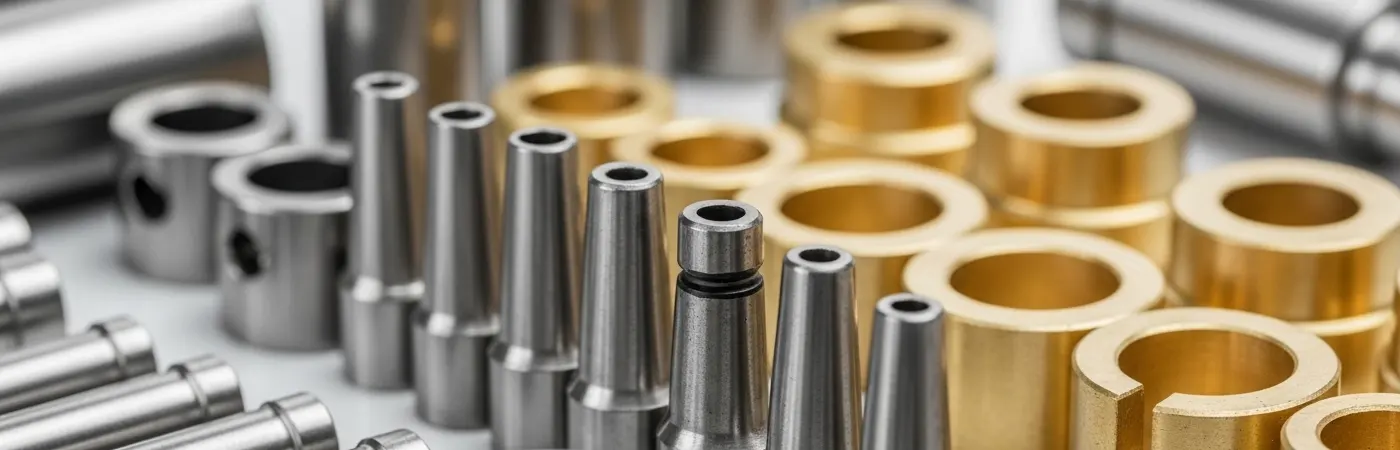
Precision boring, turning, and multi-axis machining support accurate stator bores, bearing seats, shaft interfaces, and cylindrical features to maintain alignment across critical motor components.
Concentricity & Runout Control
Critical concentric features and mounting datums are carefully controlled to help reduce misalignment, uneven bearing loads, vibration, and unwanted mechanical variation during robotic motion.
Lightweight & Thermal Design
Aluminum alloys and other engineering materials can be selected according to weight, rigidity, strength, thermal performance, and operating conditions, supporting compact and lightweight robotic motor designs.

Precision Inspection
CMM, bore gauges, micrometers, and other measuring equipment can verify bore size, position, concentricity, runout, flatness, and mounting features before assembly.
Refined Service, Shortened Delivery Time
From design review to delivery, we provide dedicated one-on-one follow-up throughout the entire process.
Consultation → Provide Drawings → Design Review & Quotation → Order Processing → Quality Inspection → On-time Delivery → After-sales Follow-up
Our Advantages
Backed by over 25 years of engineering experience, our team offers comprehensive services—from customized mold design and precision machining to full-scale production—supported by a robust quality assurance system and proactive customer service. Certified under ISO9001, ISO14001, and IATF 16949, we continually strive for excellence in quality, innovation, and customer satisfaction.
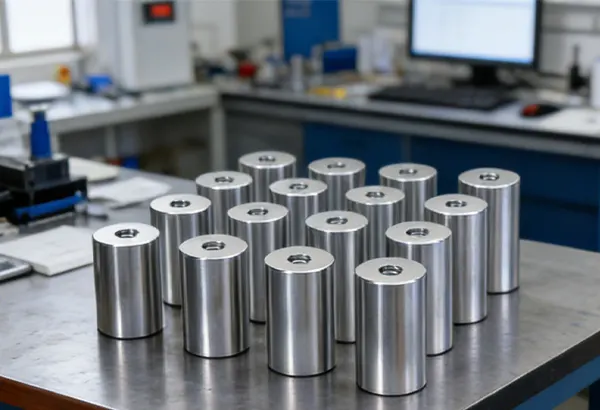
Over 100,000 units in stock, with 2-hour shipment for standard products.
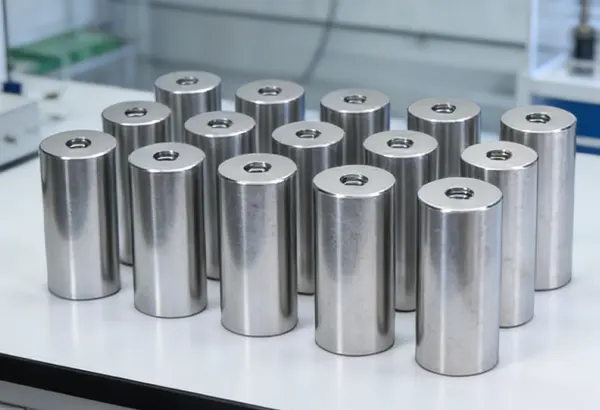
Implementing a three-stage inspection system—initial material check, in-process inspection, and final inspection.
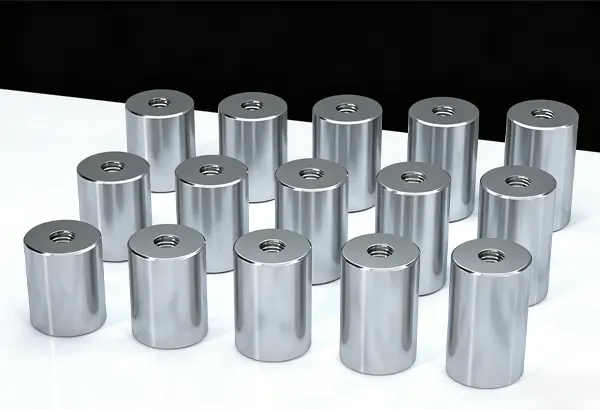
Large inventory and quick turnaround, ensuring on-time delivery with 100% product inspection.
Application Range
The preferred choice across various industries.
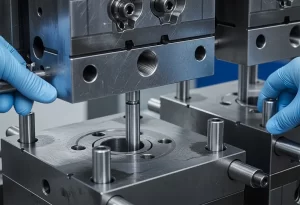
FAQ
Q1: What is a robotic motor housing?
A robotic motor housing is a precision structural component that supports and locates motor elements such as the stator, bearings, shaft, encoder, and related mounting interfaces within a robotic drive system.
Q2: Why is concentricity important in robotic motor housings?
Good concentricity between stator bores, bearing seats, and shaft interfaces helps maintain rotor alignment and can reduce vibration, uneven bearing loads, friction, and assembly problems.
Q3: What materials are commonly used for robotic motor housings?
Aluminum alloys are commonly selected for lightweight construction and thermal performance, while stainless steel, titanium, and other engineering materials may be used according to strength, rigidity, wear, or environmental requirements.
Q4: Can 5-axis CNC machining be used for robotic motor housings?
Yes. 5-axis CNC machining is useful for housings with multi-directional mounting features, cable passages, encoder interfaces, complex pockets, and closely related precision surfaces.
Q5: How are precision motor housings inspected?
Inspection can include CMM, bore gauges, micrometers, height gauges, and other precision measuring equipment to verify dimensions, bore accuracy, concentricity, position, runout, and assembly interfaces.