



Plastic Mold Types: Injection, Compression, Blow, and Choosing the Right Tool
Plastic mold selection depends on product shape, production volume, tolerance requirements, and tooling budget. Injection molding is usually the best option for high-volume precision parts, blow molding works for hollow products, and compression molding fits selected thermoset applications. Buyers should compare tooling cost, scalability, lead time, and surface finish quality before choosing a mold process.
Choosing the wrong mold process can increase tooling costs, delay production, and create quality issues later. Many buyers focus only on upfront tooling price, but long-term scalability matters just as much. This guide compares injection, compression, and blow molding in practical terms so you can match the right process to your product, budget, and production goals.
What is a plastic mold and why does the mold type matter?
Plastic molds shape molten or heated material into repeatable parts, but the mold type directly affects production speed, tooling cost, tolerances, and scalability. Choosing the wrong mold process can increase defects, delays, and long-term manufacturing costs.
A plastic mold is a tooling system that forms raw material into a finished shape. Manufacturers use molds to produce consistent plastic parts across thousands or even millions of cycles. The mold determines dimensions, surface finish, cooling behavior, and production efficiency.
Different mold types support different manufacturing goals. Injection molds are designed for high precision and repeatable output. Blow molds create hollow products such as bottles and containers. Compression molds work well for selected thermoset materials and thicker components.
For buyers planning long production runs, tooling decisions affect much more than the first shipment. Mold durability, maintenance needs, and cycle speed all influence long-term manufacturing cost. A low-cost mold that struggles with repeatability often creates expensive problems later.
If you need a deeper look at tooling structures and workflows, this guide to plastic injection mold basics explains how injection mold systems are built and maintained.
What are the main types of plastic molds?
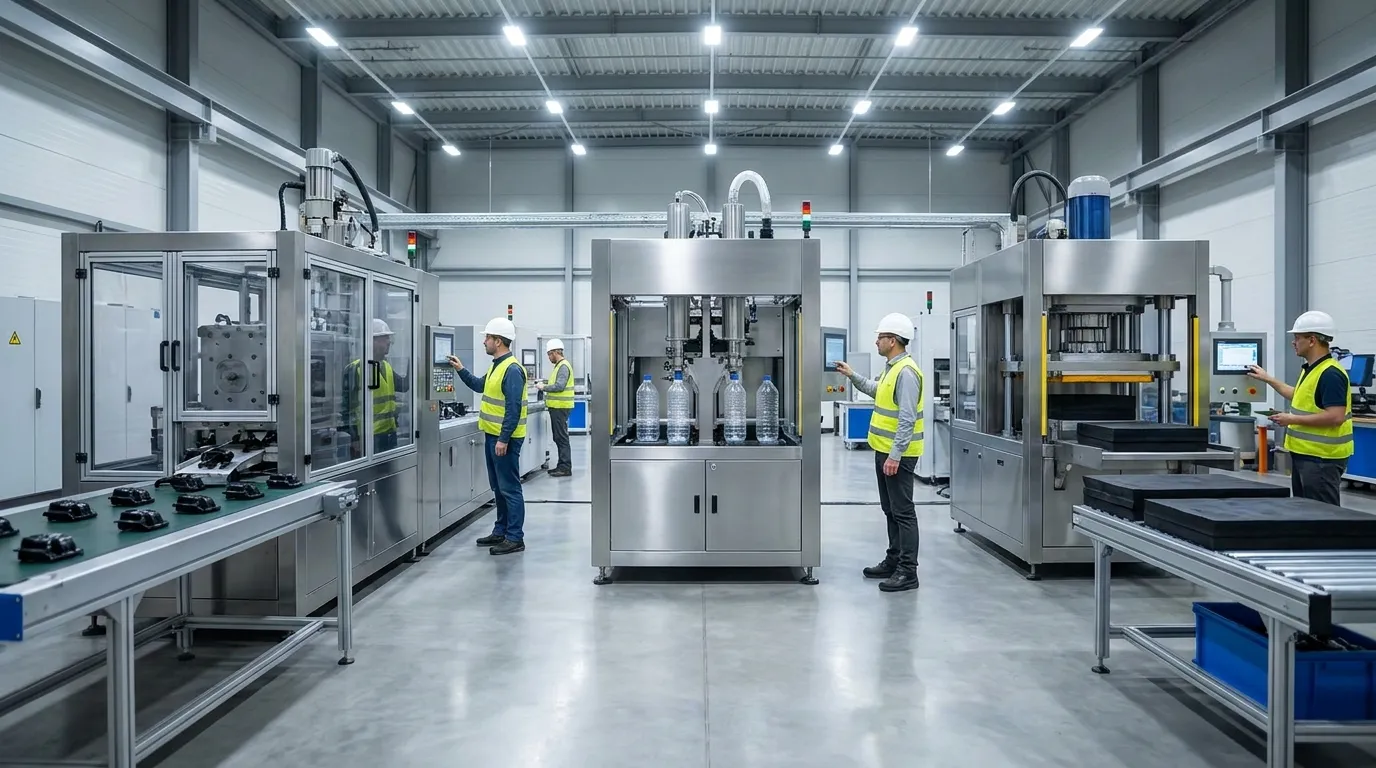
Injection molding is best for precise, high-volume parts, compression molding suits certain thermoset applications, and blow molding is designed for hollow products like bottles and containers. The right choice depends on geometry, volume, and tooling budget.
The three most common plastic molding processes are injection molding, compression molding, and blow molding. Each process uses different tooling methods and supports different product types.
| Mold Type | Best For | Common Products | Production Strength |
|---|---|---|---|
| Injection molding | Detailed plastic parts | Electronics housings, automotive clips, medical parts | High precision and scalability |
| Compression molding | Thermoset materials | Electrical components, industrial parts | Lower tooling complexity |
| Blow molding | Hollow products | Bottles, containers, tanks | Fast hollow-part production |
Injection molding
Injection molding forces molten plastic into a closed mold cavity under pressure. It works best for complex geometries, tight tolerances, and high-volume production. Many consumer electronics, automotive parts, and medical components rely on this process because it delivers consistent repeatability.
A consumer electronics startup producing 200,000 device housings per year will usually benefit from injection molding. The tooling cost is higher upfront, but per-part costs decrease as production volume increases.
For readers comparing tooling workflows in more detail, this injection mold process guide covers the full production sequence.
Compression molding
Compression molding uses heated material placed into an open mold cavity before pressure forms the final shape. This process is common with thermoset materials and certain industrial applications.
Compression molding still makes sense for some heavy-duty components. Many manufacturers default to injection molding discussions, but compression molding can reduce tooling complexity for lower-volume industrial products.
Blow molding
Blow molding forms hollow plastic products by inflating heated material inside a mold. It dominates packaging industries because it produces lightweight containers quickly and efficiently.
A beverage manufacturer producing PET bottles will almost always choose blow molding over injection molding. Hollow geometry is the deciding factor here, not just tooling price.
How does injection molding compare with compression and blow molding?
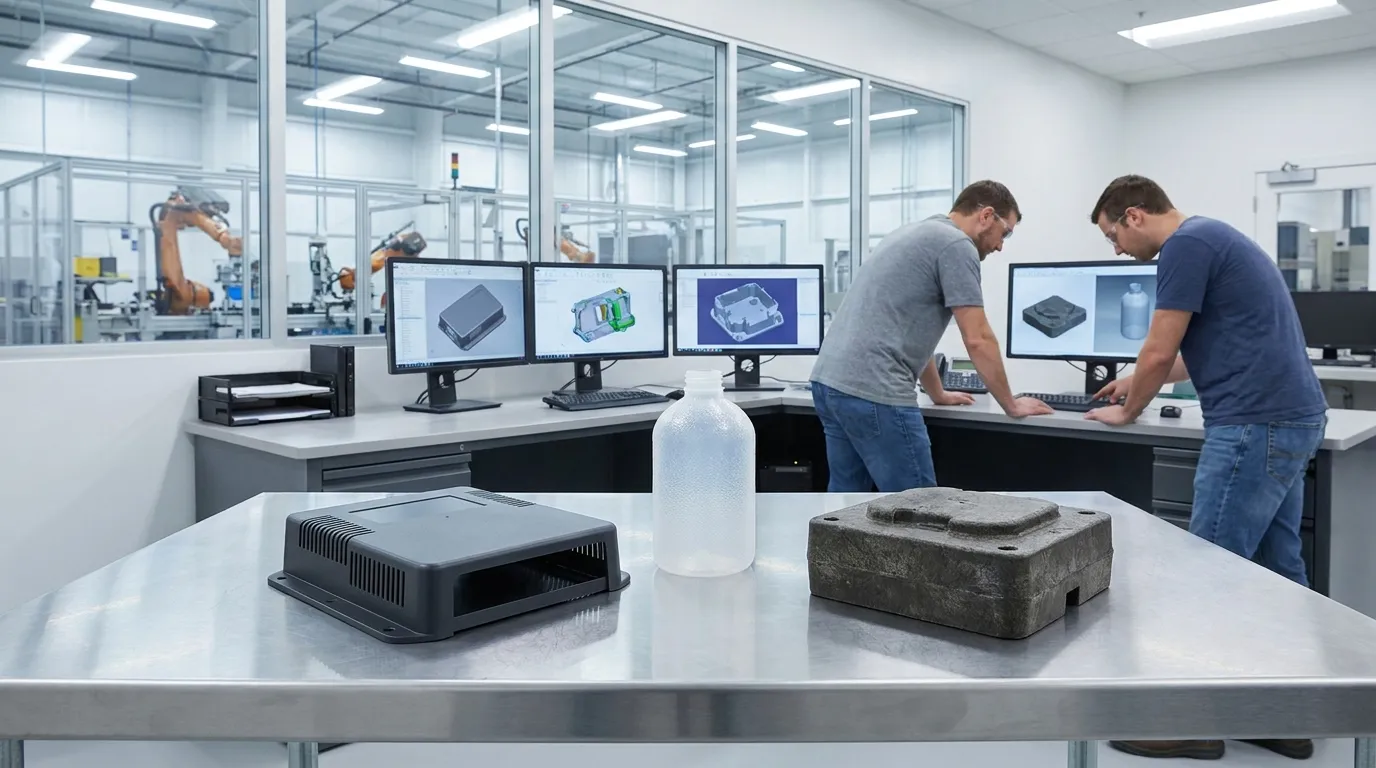
Injection molding usually delivers the best precision and scalability, while blow molding dominates hollow products and compression molding remains useful for selected thermoset or lower-complexity applications. The best process depends on product shape and production goals.
Many buyers compare molding processes based only on tooling cost. That creates problems later when production volume increases or part quality becomes more demanding. A better approach is comparing the full production picture.
| Process | Tooling Cost | Part Complexity | Surface Finish | Scalability | Best Industries |
|---|---|---|---|---|---|
| Injection molding | Higher upfront | Excellent | Excellent | Very high | Medical, automotive, electronics |
| Compression molding | Moderate | Medium | Moderate | Medium | Industrial and thermoset products |
| Blow molding | Moderate | Hollow shapes only | Good | High | Packaging and containers |
Injection molding vs blow molding
Injection molding is better for solid or highly detailed components. Blow molding works best for hollow products with thinner walls. A bottle manufacturer gains little from injection tooling because the process itself does not suit hollow geometry.
Injection molding also supports tighter tolerances and more complex features. Medical device suppliers often prefer steel injection tooling because repeatability matters during validation and long-term production.
Injection molding vs compression molding
Compression molding can lower tooling complexity for selected industrial parts, especially when thermoset materials are involved. Injection molding becomes the stronger option when part detail, automation, or production speed matters more.
Injection molding is not always the cheapest starting option. For lower-volume projects, compression molding may reduce upfront investment. Once production scales, injection molding usually becomes more cost-effective over time.
According to Kaysun’s injection molding guide, tooling selection directly affects repeatability, tolerances, and production consistency.
Which plastic mold type is best for different products?
Product geometry and production volume usually determine the best mold type. Injection molding fits detailed and repeatable parts, blow molding works for hollow containers, and compression molding supports selected heavy-duty or thermoset applications.
Buyers often narrow down the correct process quickly once they compare the product shape, material, and expected production volume.
| If Your Product Needs... | Best Mold Type | Why |
|---|---|---|
| Tight tolerances and fine details | Injection molding | Supports precision and repeatability |
| Hollow internal structure | Blow molding | Designed for containers and tanks |
| Thick thermoset construction | Compression molding | Handles thermoset materials effectively |
| High-volume automation | Injection molding | Lower long-term per-part cost |
| Lower-volume industrial parts | Compression molding | Simpler tooling setup |
A medical device manufacturer producing validated plastic housings usually chooses hardened steel injection tooling. The upfront cost is higher, but repeatability and inspection consistency matter more than early savings.
An industrial equipment supplier making thicker thermoset components may prefer compression molding because the tooling is simpler and easier to maintain.
Plastic Mold Selection Flowchart
| Question | Yes | No |
|---|---|---|
| Is the product hollow? | Use blow molding | Move to next question |
| Does the product need tight tolerances? | Use injection molding | Move to next question |
| Is the material thermoset-based? | Consider compression molding | Move to next question |
| Is production volume high? | Injection molding is usually best | Compression molding may work |
| Is surface finish critical? | Injection molding preferred | Other options may fit |
For more product-specific manufacturing examples, this page on injection mold applications shows where injection molding is commonly used across industries.
What factors affect plastic mold cost and lead time?
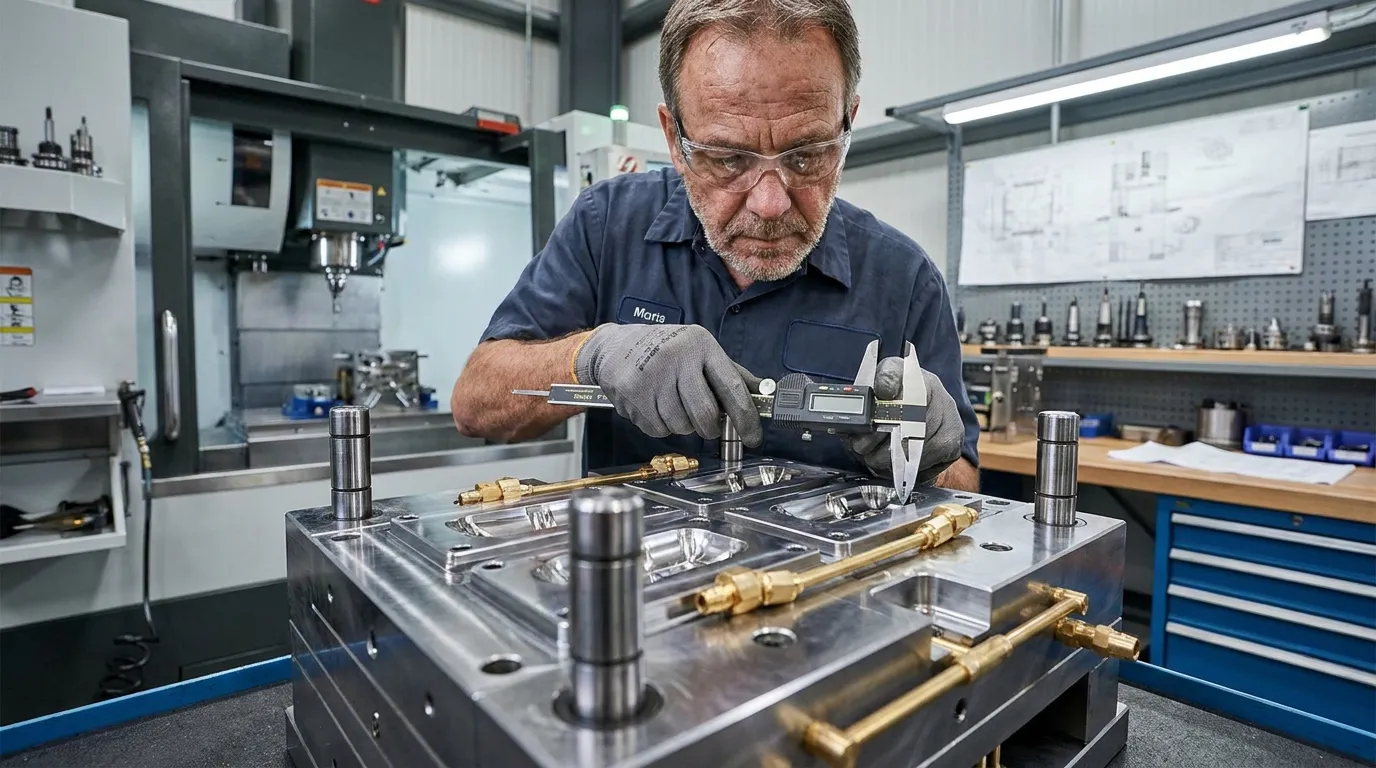
Plastic mold costs and lead times depend on mold complexity, tooling material, part tolerances, validation requirements, and late-stage design revisions. Complex production molds can require several weeks longer than prototype tooling.
Mold cost is shaped by both engineering complexity and production expectations. Cavities, cooling systems, surface finish requirements, and automation features all increase tooling time and machining requirements.
Steel tooling generally costs more than aluminum tooling, but it lasts longer and handles larger production volumes. Aluminum molds may work well for prototypes or smaller production runs where durability is less important.
What increases mold costs and delays?
- Multi-cavity tooling
- Tight tolerances
- Cosmetic surface finishes
- Design revisions after machining starts
- Complex cooling systems
- Validation and testing requirements
- Shipping and customs delays
Late-stage design changes are one of the biggest causes of schedule overruns. A tooling project can lose weeks if gate placement or wall thickness changes after machining begins. Fast mold delivery is not always a positive sign either. Aggressive tooling schedules sometimes reduce DFM review time, increasing revision risk later.
According to Aprios’ lead time overview, production tooling timelines can extend significantly depending on complexity and validation needs.
International shipments can also affect scheduling. Mold bases and tooling classifications may influence customs handling and documentation requirements, especially for imported tooling systems. FreightAmigo’s HS code guide explains how mold base classifications are commonly handled in shipping documentation.
If you want a deeper breakdown of tooling structures and engineering considerations, this mold component overview covers the core systems inside production molds.
When is injection molding the best long-term choice?
Injection molding becomes the strongest long-term option when production volumes increase, tolerances tighten, and repeatability matters. Although tooling costs are higher upfront, per-part costs usually decrease significantly at scale.
Injection molding works best when consistency and scalability are critical. Automated production, stable cycle times, and precise repeatability make it the preferred process for many medical, automotive, and electronics applications.
A company producing 20,000 prototype parts may not recover the full value of hardened production tooling immediately. A manufacturer planning millions of cycles across several years usually will. The long-term economics improve as output increases.
| Production Goal | Best Option |
|---|---|
| High cosmetic quality | Injection molding |
| Tight tolerance requirements | Injection molding |
| Long production life | Steel injection tooling |
| Hollow packaging products | Blow molding |
| Thermoset industrial components | Compression molding |
The plastics industry continues to invest heavily in automated molding systems because repeatability and throughput remain major competitive advantages. Mordor Intelligence market analysis highlights ongoing growth in plastic processing machinery demand across manufacturing sectors.
Companies evaluating scalable production often move toward custom injection molding once product demand stabilizes and long-term manufacturing forecasts become clearer.
What should buyers ask before ordering a plastic mold?
Choosing a mold supplier involves more than comparing quotes. Buyers should confirm tooling ownership terms, engineering support, quality systems, and maintenance expectations before approving production.
A supplier with strong DFM support can often prevent expensive revisions before tooling begins. That matters more than rushing through early approvals to save a few days.
Buyer checklist before placing a tooling order
- Who owns the mold after production?
- Is DFM analysis included before machining?
- What quality inspection process is used?
- Are spare mold components available?
- How are engineering revisions managed?
- What is the expected tooling lifespan?
- Does the supplier provide mold maintenance support?
Tooling reliability also depends on internal components such as guide systems, ejectors, and bushings. Buyers reviewing tooling durability can learn more about mold pins and bushings and how these systems affect mold performance over time.
Getting the Next Step Right
The best plastic mold process depends on your product, production volume, tolerance requirements, and long-term manufacturing goals. Injection molding usually delivers the strongest combination of precision, repeatability, and scalability, but it is not the right fit for every application.
Start by evaluating product geometry first. Hollow containers usually point toward blow molding, while thermoset industrial parts may fit compression molding better. If your project requires consistent quality across high production volumes, injection molding often becomes the most practical long-term investment.
Frequently Asked Questions
What is a plastic mold used for?
A plastic mold is used to shape heated or molten plastic into repeatable parts and products. Manufacturers rely on molds to produce consistent components for automotive, medical, industrial, and consumer applications.
What is the difference between injection molding and blow molding?
Injection molding creates solid or highly detailed plastic parts, while blow molding forms hollow products such as bottles and containers. The tooling design and production method are different for each process.
Which plastic molding process is best for high-volume production?
Injection molding is usually the best option for high-volume production because it supports automation, fast cycle times, and repeatable quality. Higher tooling costs are often balanced by lower per-part costs over time.
How long does it take to make a mold tool?
Mold tooling timelines depend on complexity, cavity count, material selection, and validation requirements. Production molds often require several weeks or longer, especially when revisions or testing stages are involved.
Is steel tooling better than aluminum tooling?
Steel tooling usually provides better durability, repeatability, and longer production life. Aluminum tooling can reduce upfront cost for prototypes or smaller production runs where long-term wear is less critical.
What increases plastic mold costs?
Mold complexity, cavity count, surface finish requirements, tight tolerances, and engineering changes can all increase tooling costs. Shipping delays and late-stage design revisions may also extend project timelines.
Share:



Written By Sunshine
At Sunshine, we are a professional manufacturer and supplier of precision mould components, offering a wide range of products for stamping and injection mould applications. Our core focus includes punching dies, ejector pins and sleeves, and guide posts and bushings. With advanced CNC machining, strict quality control, and strong production capabilities, we ensure reliable, high-precision parts, along with in-stock standard components for fast and efficient global supply.
NEWS
GET SERVICE
With quality parts to meet every budget and friendly staff trained to make your visit informative and hassle free.
