


Precision CNC Machining for Robotic Shafts


Precision Shafts for Robotics
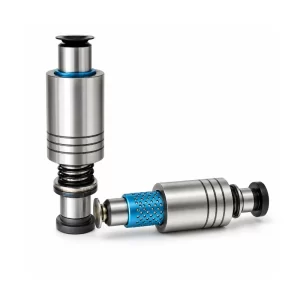
Precision CNC machining for robotic shafts with accurate bearing journals, stepped diameters, threads, keyways, splines, and critical rotating interfaces. Supports tight runout and concentricity control, multiple materials, heat treatment, and prototype-to-low-volume production.
- Precision Bearing Journals & Diameters
- Concentricity & Runout Control
- Threads / Keyways / Splines / Grooves
- Steel / Stainless Steel / Titanium / Aluminum
- Prototype & Low-Volume Production
Product Description
Introduction
Precision Shafts for Robotics are used in robotic joints, actuators, motors, gearboxes, end effectors, and motion systems where accurate rotation, torque transmission, bearing fit, and repeatable positioning are critical.
Robotic shafts often include precision bearing journals, stepped diameters, shoulders, threads, keyways, splines, grooves, cross holes, and closely controlled mating surfaces. Small deviations in diameter, straightness, concentricity, or runout can affect bearing fit, rotational accuracy, vibration, friction, and overall robotic motion performance.
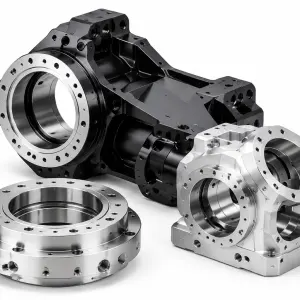
Our machining capabilities include CNC turning, milling, 4-axis and 5-axis machining, drilling, threading, grinding, polishing, and precision finishing. Machining strategies, datum control, heat treatment, grinding processes, and inspection methods are selected according to shaft geometry, material, tolerance requirements, surface finish, and functional interfaces.
Precision shafts can be manufactured from stainless steel, alloy steel, tool steel, titanium, aluminum, and other engineering materials, with heat treatment, nitriding, hard chrome plating, black oxide, polishing, coating, and other surface treatments available. Prototype, engineering sample, and low-volume production can be supported according to customer drawings.
Specifications
| Item | Specification |
|---|---|
| Product Name | Precision Shafts for Robotics |
| Material | Stainless Steel / Alloy Steel / Tool Steel / Titanium / Aluminum / Custom |
| Manufacturing Process | Milling / Turning / Boring / Drilling / Threading / Tapping / Precision Finishing |
| Part Geometry | Cylindrical / Thin-Wall / Deep Bore / Complex Multi-Surface Features |
| Tolerance | Up to ±0.005 mm / According to Drawing |
| Surface Finish | Precision Machined / Ground / Polished / Custom |
| Color | Natural / Black / Material-Dependent |
| Production Volume | Prototype and Low-Volume Production |
| Inspection | CMM / Height Gauge / Micrometer / Caliper / Custom Inspection Plan |
| Documentation | Inspection Reports and Material Documents Upon Request |
| Applications | Robot Joints / Actuators / Motors / Gearboxes / End Effectors / Rotary Modules |
| Custom Service | OEM and ODM Supported |
Three Key Customization Aspects, Tailored to Your Needs
Customized CNC machining solutions for complex robotic components and precision assembly requirements.
Precision Manufacturing, Excellent Quality
Precision Journal Machining
Precision turning and grinding help maintain accurate bearing journals, stepped diameters, shoulders, and mating surfaces for reliable fits and stable robotic assemblies.

Concentricity & Runout Control
Critical shaft diameters and rotational features are carefully controlled for concentricity, runout, and straightness, helping reduce vibration, friction, uneven bearing load, and positioning variation.
Materials for Strength & Stability
Stainless steel, alloy steel, tool steel, titanium, and other materials can be selected according to torque, load, weight, wear, and service-life requirements, with heat treatment and surface treatment available.
Precision Inspection
CMM, bore gauges, micrometers, and other measuring equipment can verify bore size, position, concentricity, runout, flatness, and mounting features before assembly.
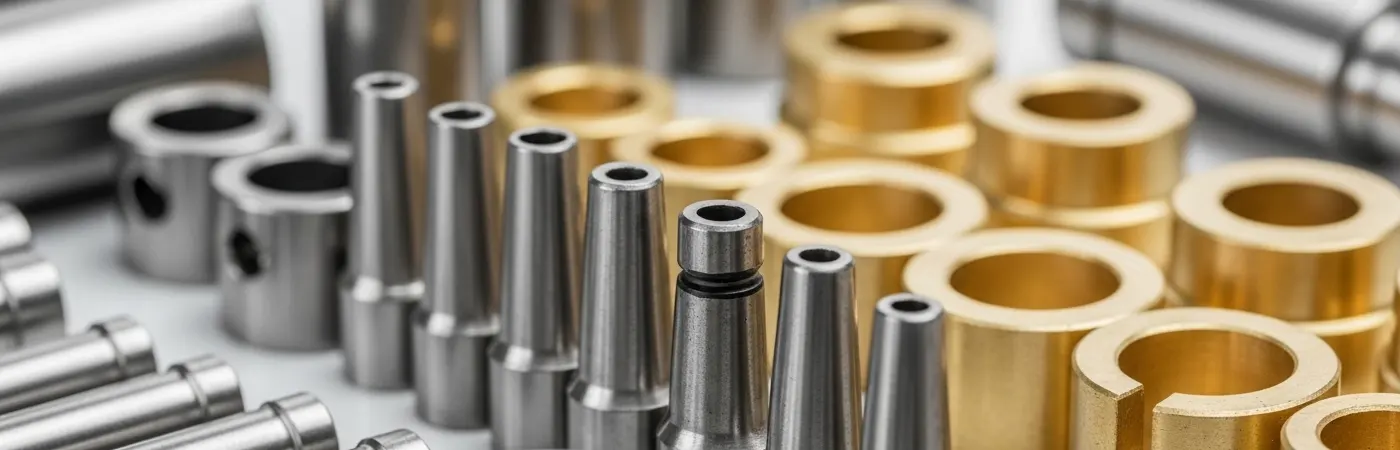
Refined Service, Shortened Delivery Time
From design review to delivery, we provide dedicated one-on-one follow-up throughout the entire process.
Consultation → Provide Drawings → Design Review & Quotation → Order Processing → Quality Inspection → On-time Delivery → After-sales Follow-up
Our Advantages
Backed by over 25 years of engineering experience, our team offers comprehensive services—from customized mold design and precision machining to full-scale production—supported by a robust quality assurance system and proactive customer service. Certified under ISO9001, ISO14001, and IATF 16949, we continually strive for excellence in quality, innovation, and customer satisfaction.
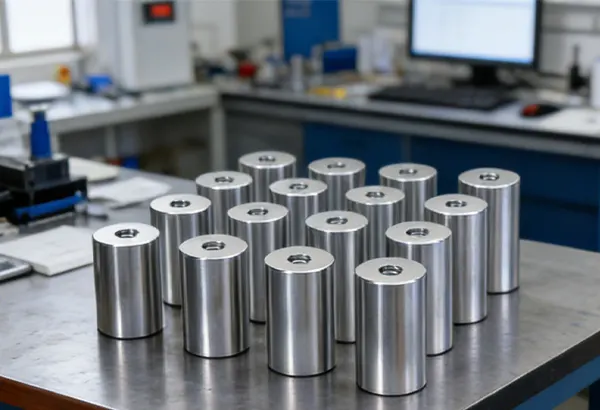
Over 100,000 units in stock, with 2-hour shipment for standard products.
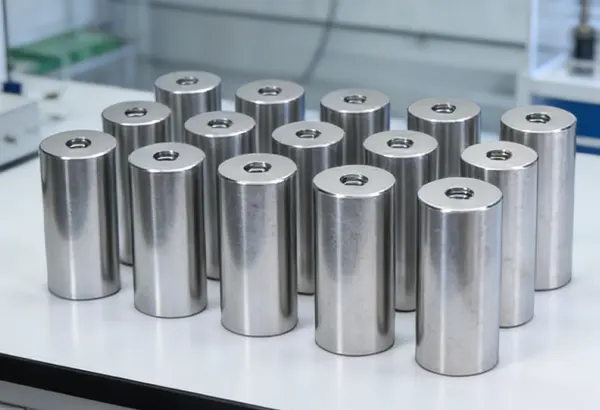
Implementing a three-stage inspection system—initial material check, in-process inspection, and final inspection.
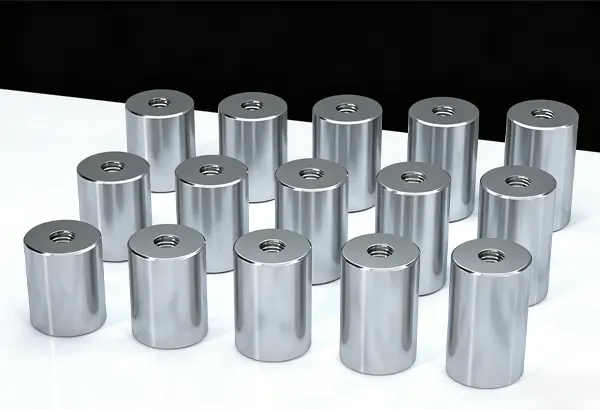
Large inventory and quick turnaround, ensuring on-time delivery with 100% product inspection.
Application Range
The preferred choice across various industries.
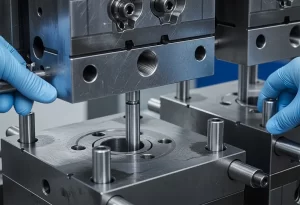
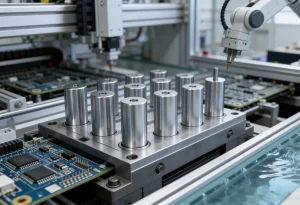
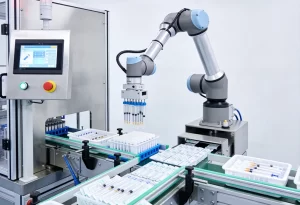
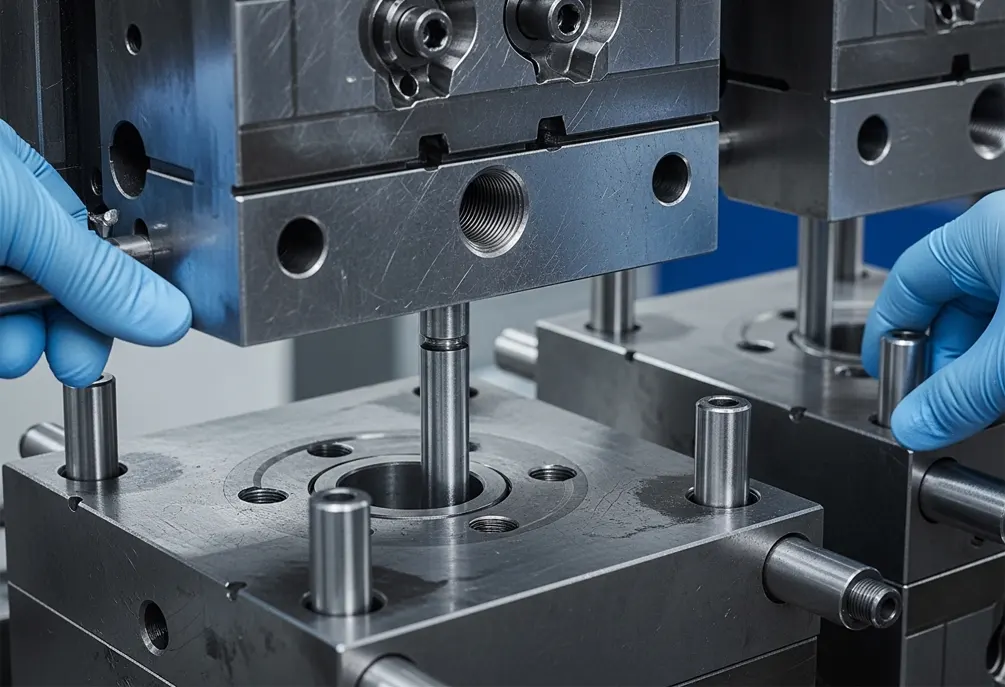
FAQ
Q1: What are precision shafts used for in robotics?
Precision shafts transmit motion and torque between bearings, motors, gearboxes, joints, and other mechanical components while maintaining accurate rotational alignment.
Q2: What features can be customized on robotic shafts?
Custom features can include stepped diameters, bearing journals, shoulders, threads, keyways, splines, grooves, cross holes, flanges, and hollow sections.
Q3:Why are runout and concentricity important for robotic shafts?
Poor runout or concentricity can lead to vibration, uneven bearing loads, friction, noise, and reduced positioning accuracy. Precise machining helps maintain stable and repeatable rotation.
Q4: What materials are used for robotic shafts?
Common materials include stainless steel, alloy steel, tool steel, titanium, and aluminum, selected according to strength, weight, wear resistance, corrosion resistance, and operating conditions.
Q5: How are precision robotic shafts inspected?
Inspection can include CMM, bore gauges, roundness gauges, micrometers, and height gauges to verify bore dimensions, concentricity, runout, position, and other critical GD&T requirement