



Precision Injection Molding: Tolerance, Repeatability, and Quality Control
Precision injection molding is a manufacturing method used to produce plastic parts with extremely tight tolerances, stable repeatability, and strict quality control. It relies on controlled machine settings, high-accuracy molds, and continuous monitoring to keep parts consistent across large production runs. This makes it essential for industries like medical devices, electronics, and automotive, where even small deviations can affect performance or assembly.
Precision injection molding is not just about making small plastic parts. It’s about making identical parts, every single time, within extremely tight limits. That level of control is what separates standard molding from precision-grade production. In industries where fit, function, and reliability matter, even tiny variations can cause real problems. Understanding how this process works is key before choosing it for production.
What makes injection molding “precision” in the first place?
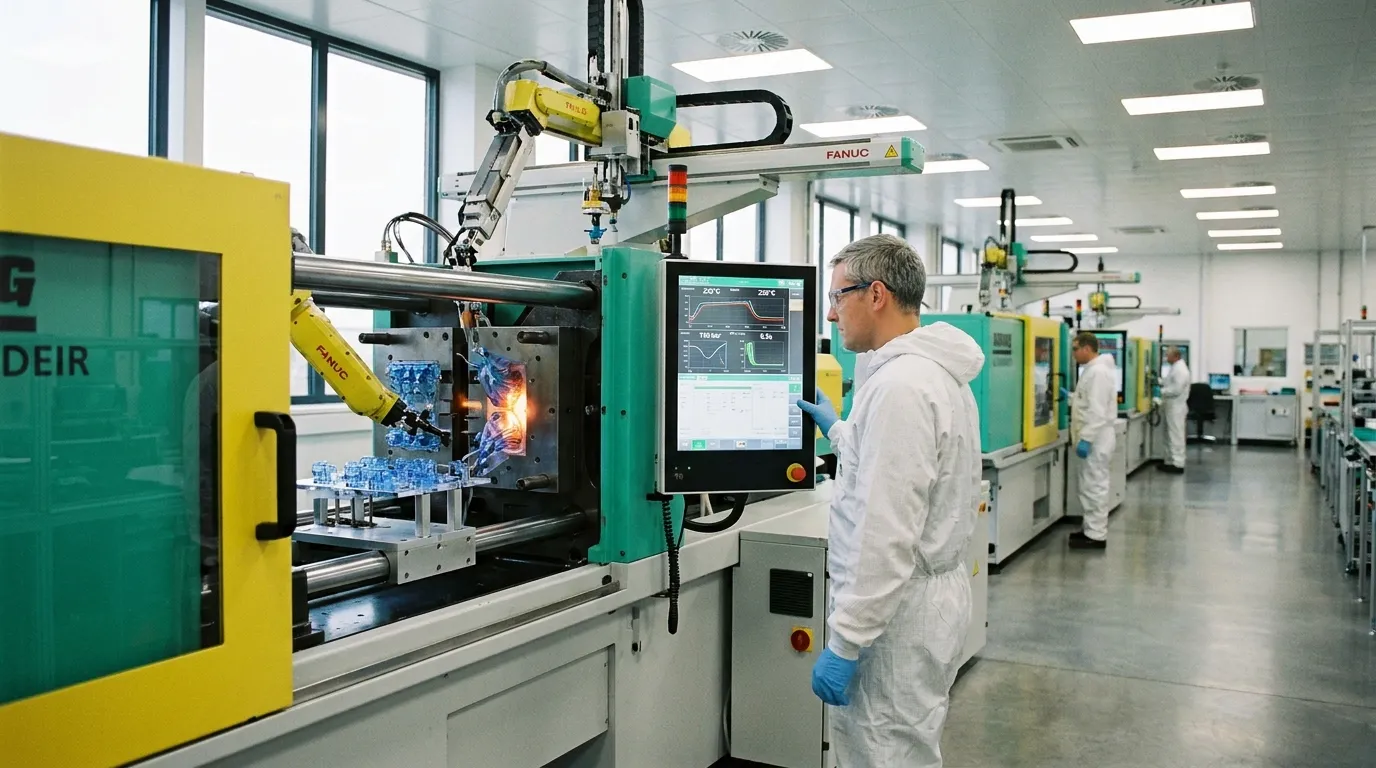
Precision injection molding is defined by its ability to produce parts with extremely tight dimensional control and consistent repeatability across production cycles. It focuses less on basic shaping and more on controlling variation at every stage of production.
Instead of just filling a mold with plastic, the process tightly controls pressure, temperature, cooling rate, and injection timing. The goal is simple: every part must match the same dimensions within a very small tolerance range. This is what separates it from standard molding, where small variations are more acceptable.
The difference also comes from equipment and tooling. Precision systems use high-accuracy molds, advanced machine calibration, and controlled environments. Even small changes in melt behavior or cooling can affect final dimensions, so everything is tightly monitored.
According to industry explanations like EI Sales, this approach is essential when parts must fit together perfectly or perform in sensitive assemblies where deviation is not acceptable.
How tight are tolerances in precision injection molding really?
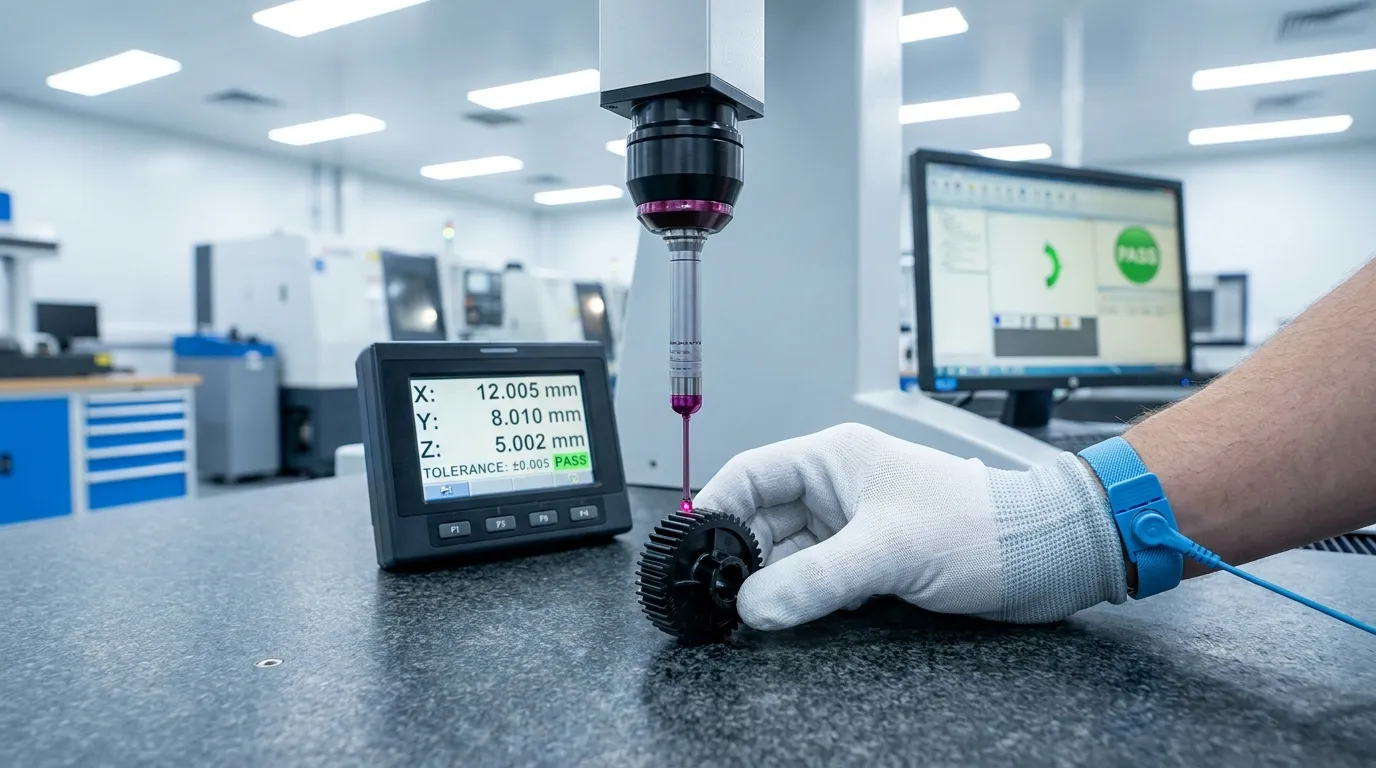
Precision injection molding typically achieves tolerances as tight as ±0.01 mm depending on part design, material, and process stability. However, maintaining this level consistently depends on mold quality and production control.
In real production, tolerance performance is influenced by material shrinkage, mold wear, and thermal stability. That means even parts made from the same mold can vary slightly if conditions drift over time.
Here’s how tolerance levels generally compare:
| Application level | Typical tolerance range | Notes |
|---|---|---|
| Standard molding | ±0.1 mm or more | General consumer parts |
| High-precision molding | ±0.05 mm | Tight assembly fit |
| Precision molding | ±0.01 mm or better | Critical functional parts |
Sources like Fox Mold explain that precision molding is not just about hitting tight specs once, but maintaining them consistently across long production runs.
That consistency is what makes tolerance control valuable in real manufacturing environments.
What actually keeps every molded part identical over time?
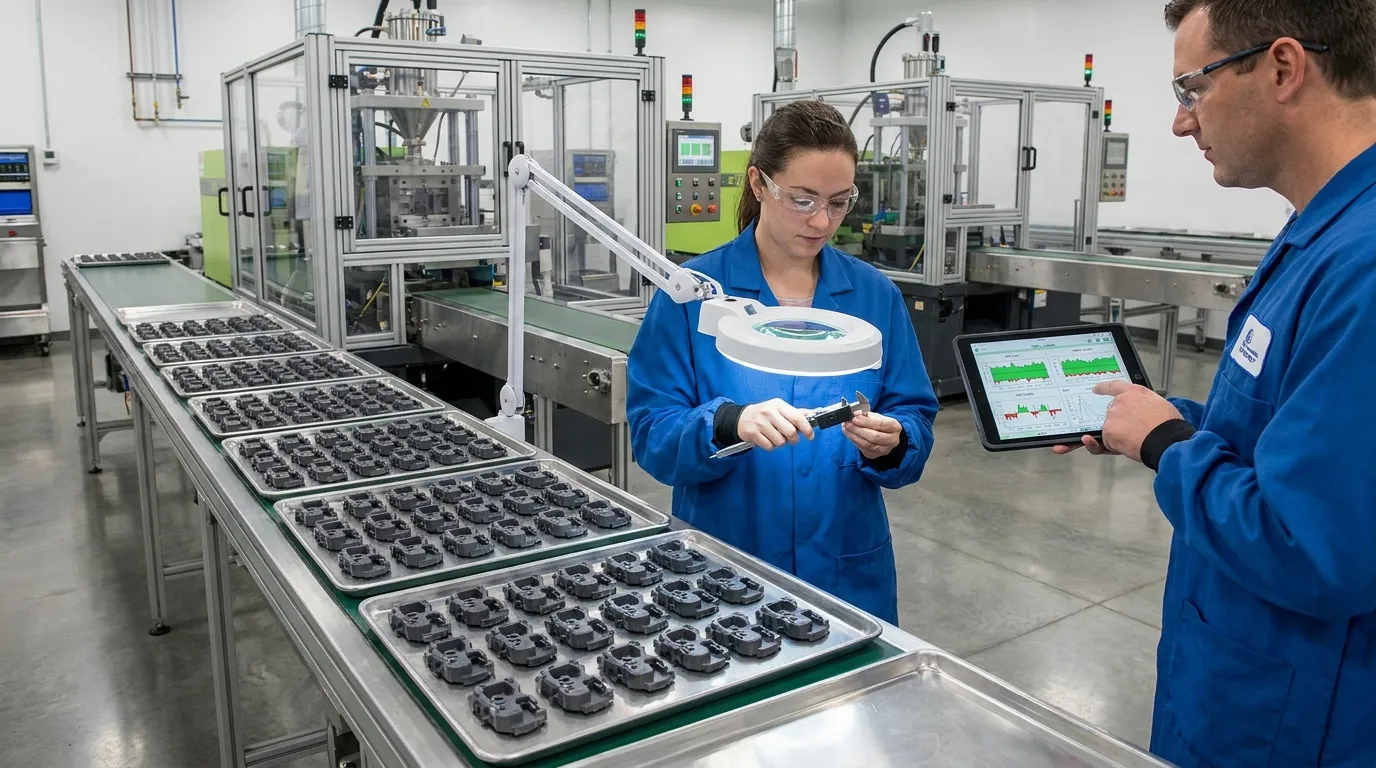
Repeatability in precision injection molding is achieved through strict control of machine parameters, mold stability, and continuous process monitoring.
The injection molding machine controls injection pressure, melt temperature, and cycle timing with high accuracy. Even small variations can affect part dimensions, so modern systems use closed-loop control to reduce drift.
Mold design also plays a major role. High-precision molds are built to resist deformation under repeated thermal and mechanical stress. If the mold changes shape, repeatability quickly drops.
Machine vs mold role in repeatability
- Machine systems: control pressure, speed, and temperature stability
- Mold systems: maintain cavity shape and thermal consistency
- Process monitoring: detects small deviations before they affect output
As explained in ENGEL’s precision molding systems, stable interaction between these elements is what keeps parts consistent in high-volume production.
Why do precision molded parts still vary or fail?
Even in precision injection molding, variation can occur due to material behavior, mold wear, or unstable process conditions.
One of the main causes is material shrinkage. Different plastics cool at different rates, and small changes in cooling conditions can shift final dimensions.
Mold wear is another factor. Over long production cycles, cavity surfaces slowly change, which can affect critical measurements even if the change is microscopic.
- Material shrinkage inconsistency during cooling
- Thermal fluctuations in production cycles
- Mold cavity wear after long runs
- Pressure or injection speed drift
These issues usually appear gradually rather than suddenly. Parts may still look correct but slowly drift out of tolerance over time if not monitored.
How is quality controlled in precision injection molding production?
Quality control in precision injection molding relies on continuous inspection, statistical monitoring, and process feedback systems.
One common method is statistical process control (SPC), which tracks production measurements over time. If values begin to drift, adjustments are made before parts go out of specification.
Inspection is also performed frequently using precision tools such as coordinate measuring machines (CMMs) or optical measurement systems. This ensures consistency across batches rather than relying only on final checks.
- Inline checks catch early variation
- Sampling ensures batch consistency
- SPC systems detect long-term drift
As noted in Fabrik’s precision molding overview, combining monitoring with measurement systems is key to stable high-volume production.
Learn more about production systems in plastic injection molding service overview.
When does precision injection molding actually make sense?
Precision injection molding makes sense when part performance depends on exact fit, alignment, or repeatable function across large volumes.
If small variations do not affect function, standard molding is usually more cost-effective. But when deviation leads to assembly issues or failure, precision becomes necessary.
This is common in industries like medical devices, electronics, and automotive sensors where accuracy directly impacts performance.
- Tight mechanical assemblies
- Electrical connector systems
- Medical device housings
- Optical or sensor components
Precision molding increases cost due to tighter control and tooling requirements, so the decision should always balance function and budget.
Explore manufacturing options at custom injection molding services.
What to Do Next
Precision injection molding is about control, consistency, and predictable performance. When your product depends on tight tolerances and stable repeatability, this process becomes essential rather than optional.
The key is understanding when precision actually matters. Some parts can tolerate small variation without issue, while others cannot. Evaluating that early helps avoid unnecessary cost and production risk. If you're planning a project, comparing tolerance needs before tooling decisions are locked in can save significant time and expense.
Frequently Asked Questions
What is precision injection molding?
It is a manufacturing process that produces plastic parts with extremely tight tolerances and high repeatability. It is used when standard injection molding cannot meet strict dimensional or functional requirements in final assemblies.
What tolerance can precision injection molding achieve?
It can reach tolerances as tight as ±0.01 mm depending on part geometry and material behavior. However, consistent results depend on mold quality, machine calibration, and stable processing conditions.
What industries use precision injection molding?
It is commonly used in medical devices, automotive systems, electronics, and aerospace components. These industries require exact part fit and reliable long-term performance.
Why is precision injection molding expensive?
It requires high-precision molds, advanced machines, and strict process monitoring systems. These factors increase setup time and production cost compared to standard injection molding.
How is repeatability maintained in precision molding?
Repeatability is maintained by controlling temperature, pressure, and injection speed while using stable molds and continuous process monitoring systems. Small deviations are detected early and corrected.
What causes defects in precision injection molding?
Common causes include material shrinkage variation, mold wear, thermal instability, and process drift over time. These factors can slowly push parts out of tolerance if not controlled.
When should I choose precision injection molding?
You should choose it when part function depends on tight fit, alignment, or consistent performance. If small variations do not affect performance, standard molding may be more cost-effective.
Share:



Written By Sunshine
At Sunshine, we are a professional manufacturer and supplier of precision mould components, offering a wide range of products for stamping and injection mould applications. Our core focus includes punching dies, ejector pins and sleeves, and guide posts and bushings. With advanced CNC machining, strict quality control, and strong production capabilities, we ensure reliable, high-precision parts, along with in-stock standard components for fast and efficient global supply.
NEWS
GET SERVICE
With quality parts to meet every budget and friendly staff trained to make your visit informative and hassle free.
