Precision CNC Machining for Humanoid Hip Joint Support Components
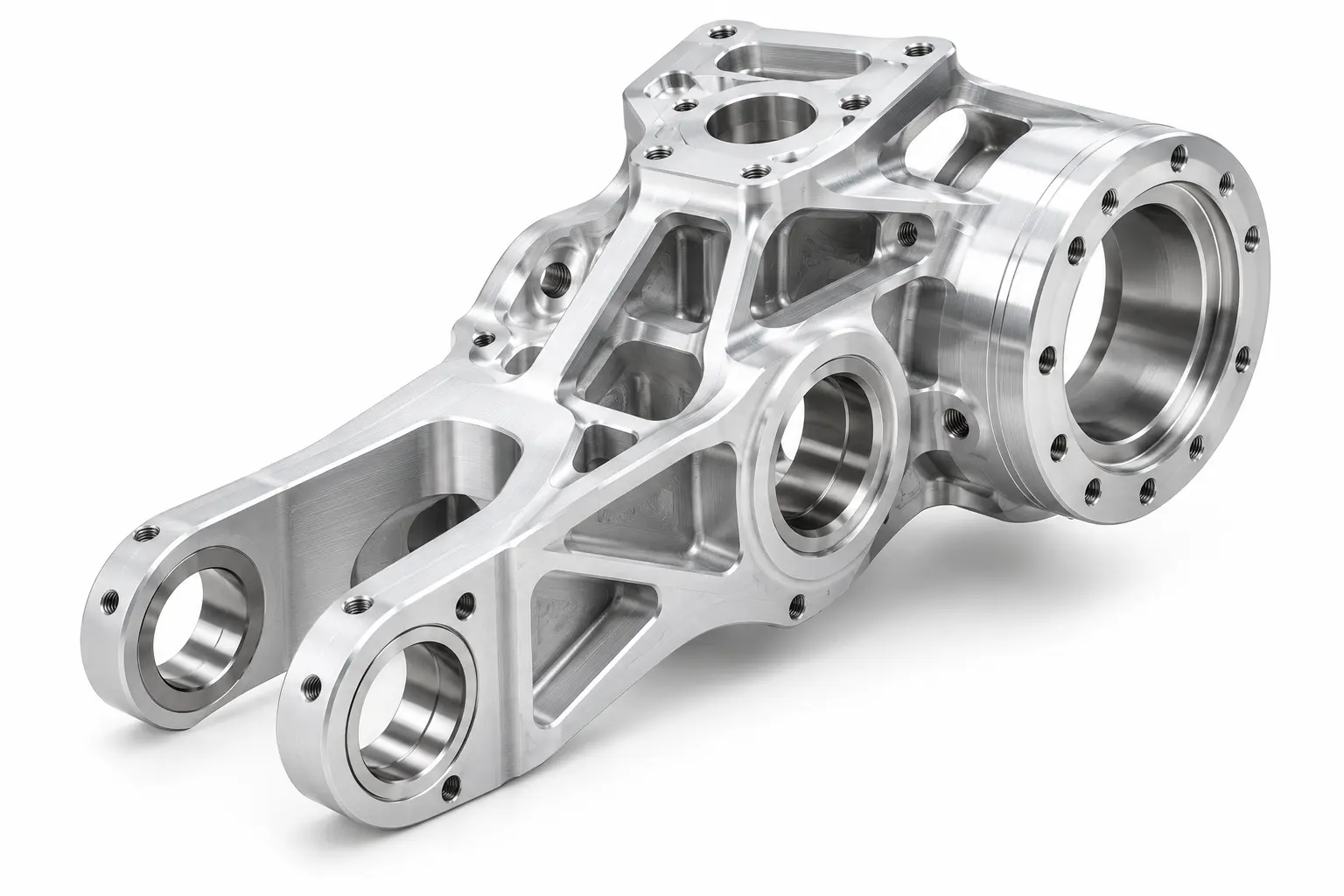
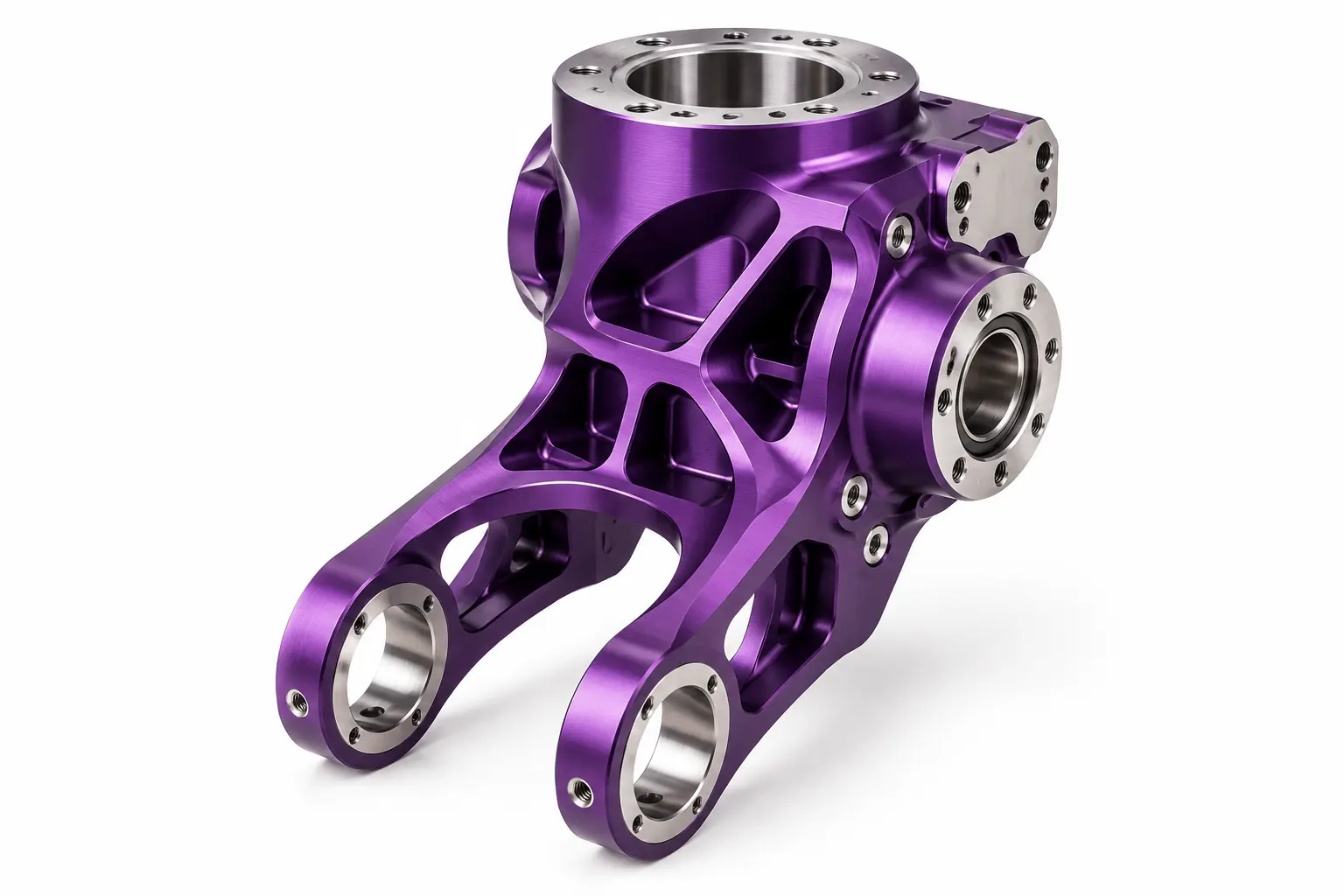
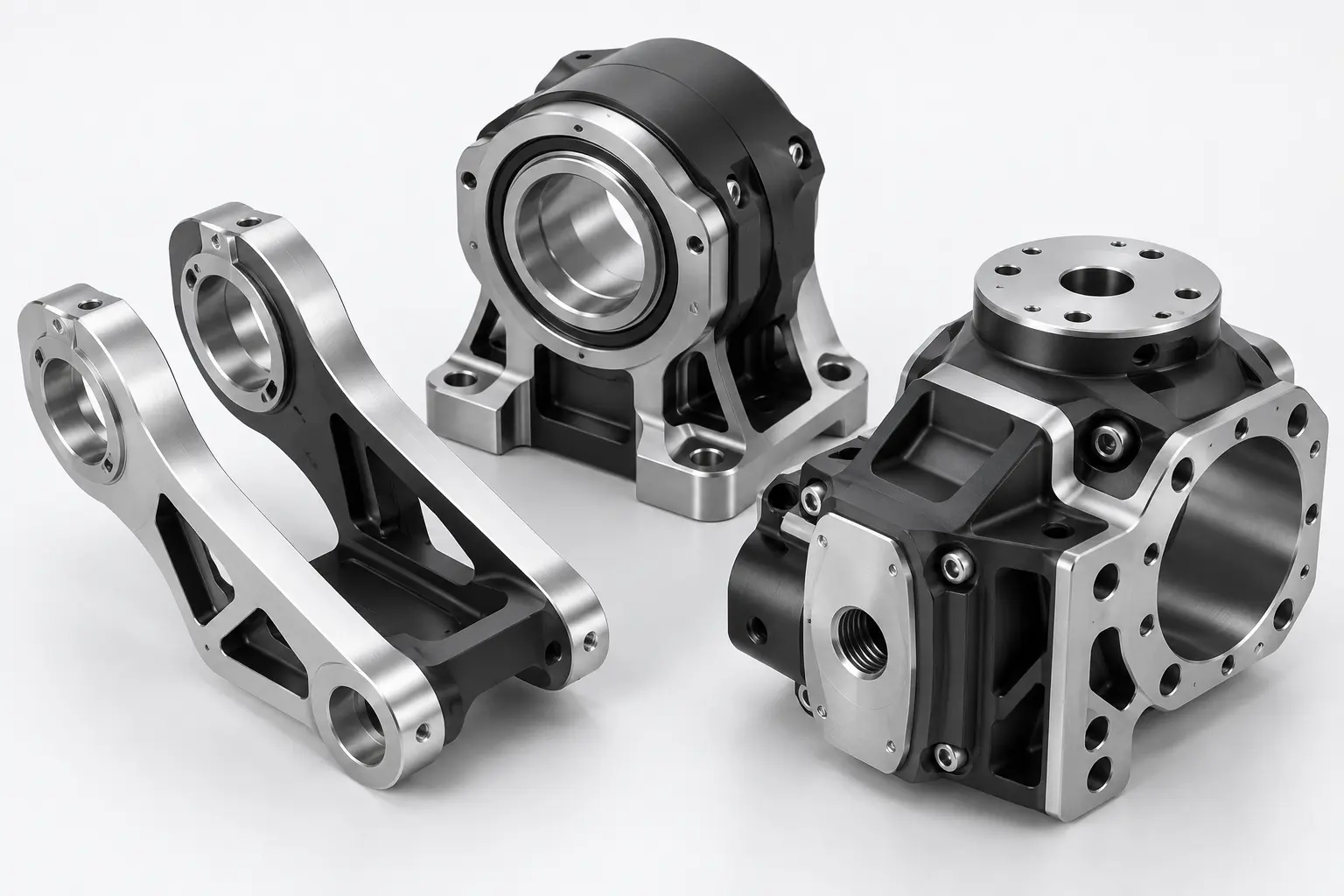
Humanoid Hip Joint Support Components CNC Machining
Precision CNC machining for humanoid hip joint support components, including actuator mounts, bearing supports, joint forks, output interfaces, locating datums, and lightweight structural bodies. Supports complex geometry, tight GD&T, 5-axis machining, and prototype-to-low-volume production.Recommended supporting points:
- Actuator Mounts & Bearing Supports
- Precision Joint Forks & Pivot Interfaces
- 5-Axis CNC for Complex Hip Structures
- 7075 Aluminum / Titanium / Steel
- Prototype & Low-Volume Production
Product Description
Introduction
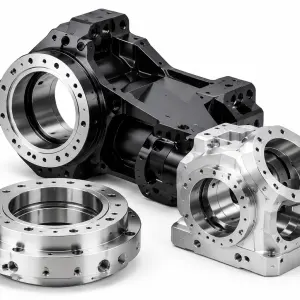
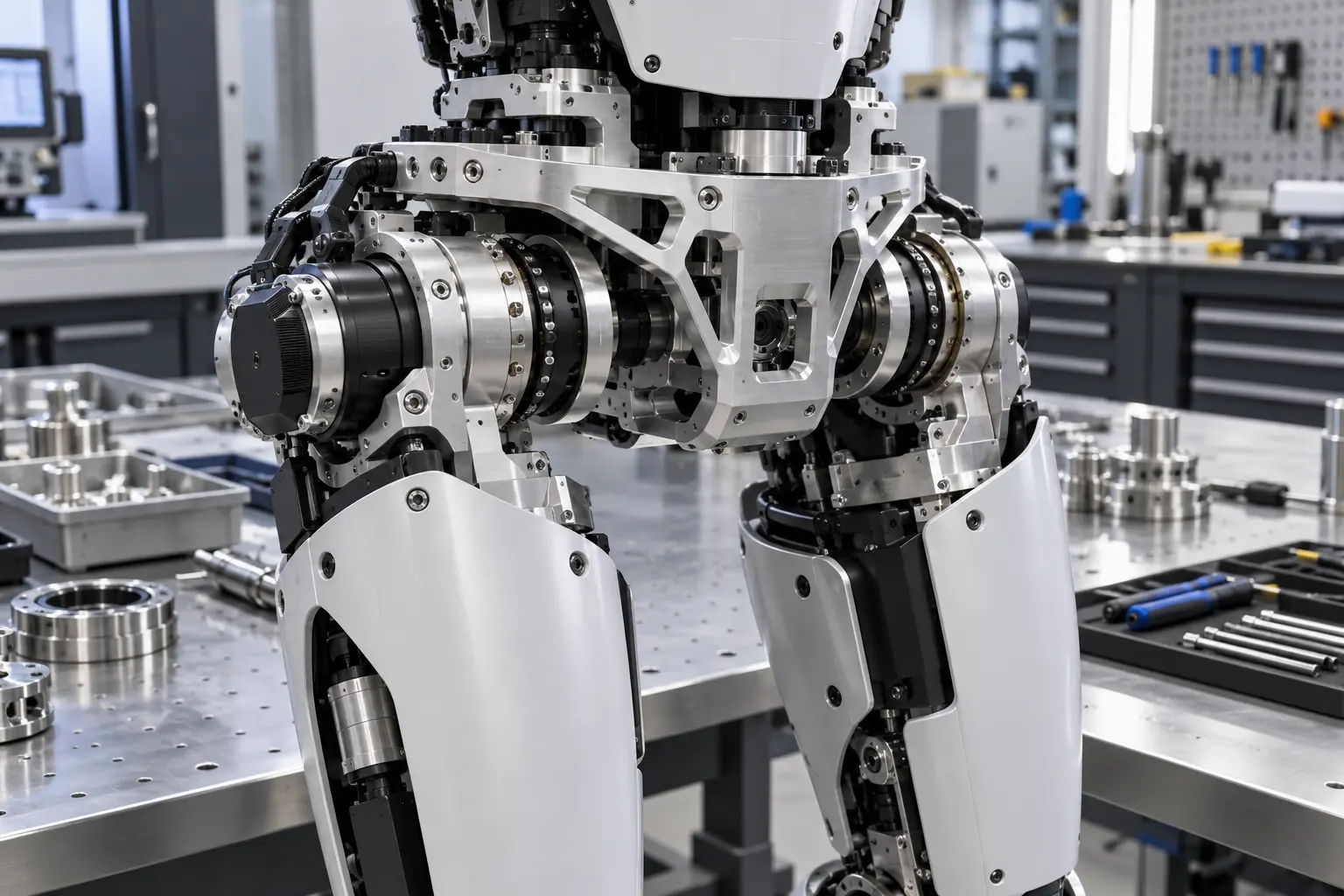
Humanoid Hip Joint Support Components CNC Machining is used to manufacture precision structural and mounting parts for multi-axis hip joints in humanoid robots. These components support actuators, bearings, joint forks, output interfaces, and locating features where structural rigidity, axis alignment, low weight, and repeatable assembly are critical.
Humanoid hip joint components often include actuator mounting structures, bearing supports, joint forks, output flanges, locating datums, lightweight structural bodies, precision bores, and multi-directional mounting interfaces. Small deviations in bore position, parallelism, concentricity, flatness, or joint-axis relationships can affect actuator alignment, bearing load, joint motion, assembly consistency, and overall lower-body stability.
Our CNC machining capabilities include 3-axis, 4-axis, and 5-axis milling, CNC turning, boring, drilling, threading, tapping, pocket machining, and precision finishing. Machining strategies, fixture design, datum control, tool access, and inspection methods are selected according to hip-joint geometry, actuator interfaces, critical bearing relationships, GD&T requirements, and weight targets.
Hip joint support components can be machined from 6061 aluminum, 7075 aluminum, stainless steel, titanium, tool steel, and other engineering materials, with anodizing, hard anodizing, passivation, polishing, plating, coating, and other secondary processes available. Prototype, engineering sample, and low-volume production can be supported according to customer drawings.
Specifications
| Item | Specification |
|---|---|
| Product Name | Humanoid Hip Joint Support Components CNC Machining |
| Material | 6061 Aluminum / 7075 Aluminum / Stainless Steel / Titanium / Tool Steel / Custom |
| Manufacturing Process | Milling / Turning / Boring / Drilling / Threading / Tapping / Precision Finishing |
| Part Geometry | Joint Forks / Bearing Supports / Actuator Mounts / Structural Bodies / Output Interfaces / Custom |
| Tolerance | Up to ±0.005 mm / According to Drawing |
| Surface Finish | Anodizing / Hard Anodizing / Passivation / Plating / Coating |
| Color | Natural / Black / Material-Dependent |
| Production Volume | Prototype and Low-Volume Production |
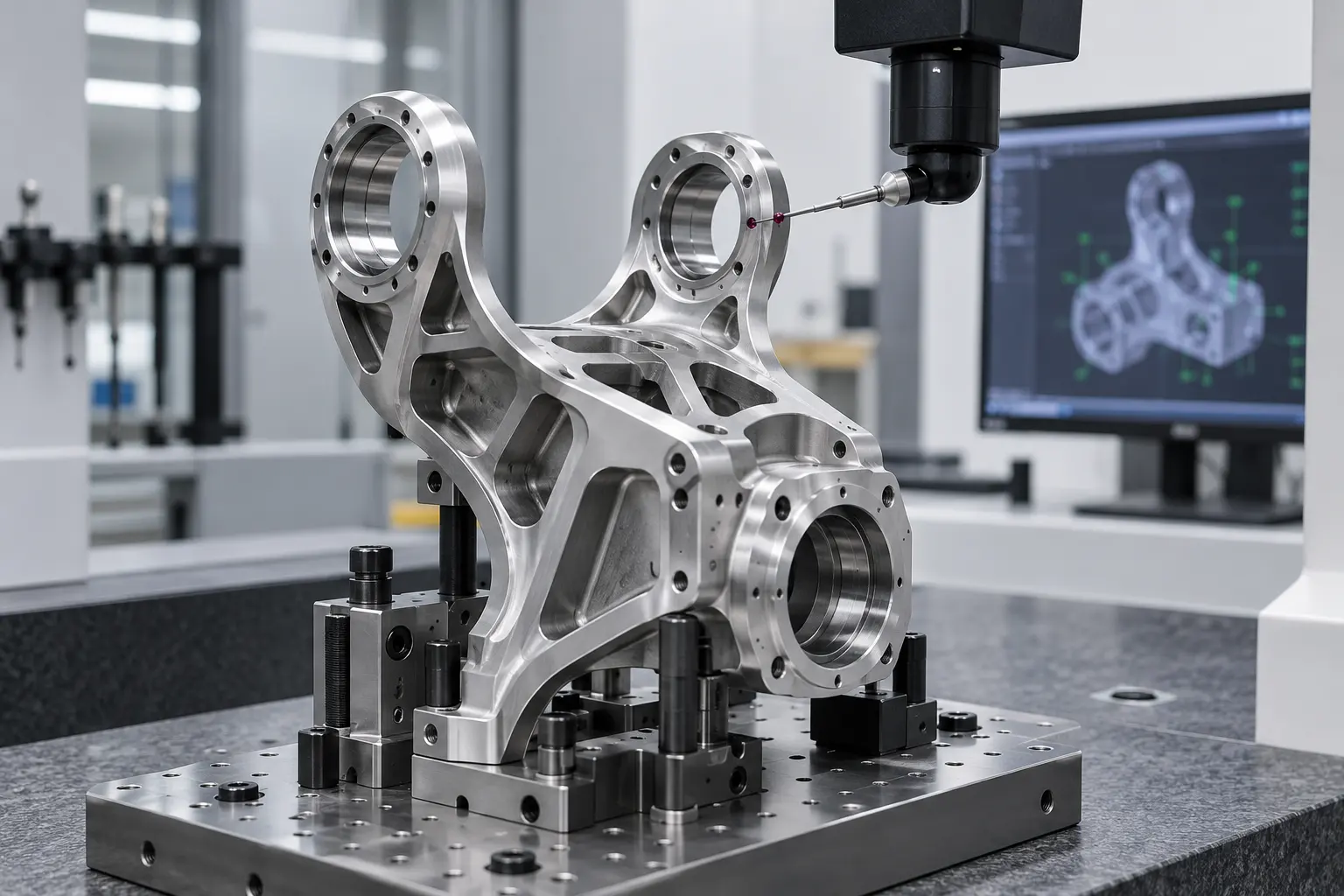
| Inspection | CMM / Height Gauge / Micrometer / Caliper / Custom Inspection Plan |
| Documentation | Inspection Reports and Material Documents Upon Request |
| Applications | Humanoid Robot Hip Joints / Lower-Body Actuator Modules / Multi-Axis Joint Systems / Bipedal Robots |
| Custom Service | OEM and ODM Supported |
Three Key Customization Aspects, Tailored to Your Needs
Customized CNC machining solutions for complex robotic components and precision assembly requirements.
Precision Manufacturing, Excellent Quality
Actuator Mounting Structure Machining
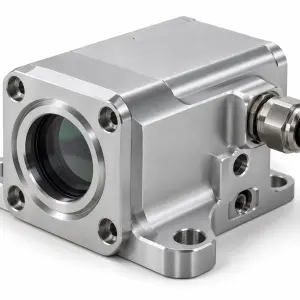
Actuator seats, reducer interfaces, mounting faces, bolt patterns, and surrounding support structures can be machined to maintain accurate actuator positioning and stable load transfer.
Bearing Support & Pivot Bore Machining
Precision boring and multi-axis machining help maintain critical relationships between bearing seats, pivot bores, and connected joint structures.
Lightweight Joint Fork & Structural Body Machining
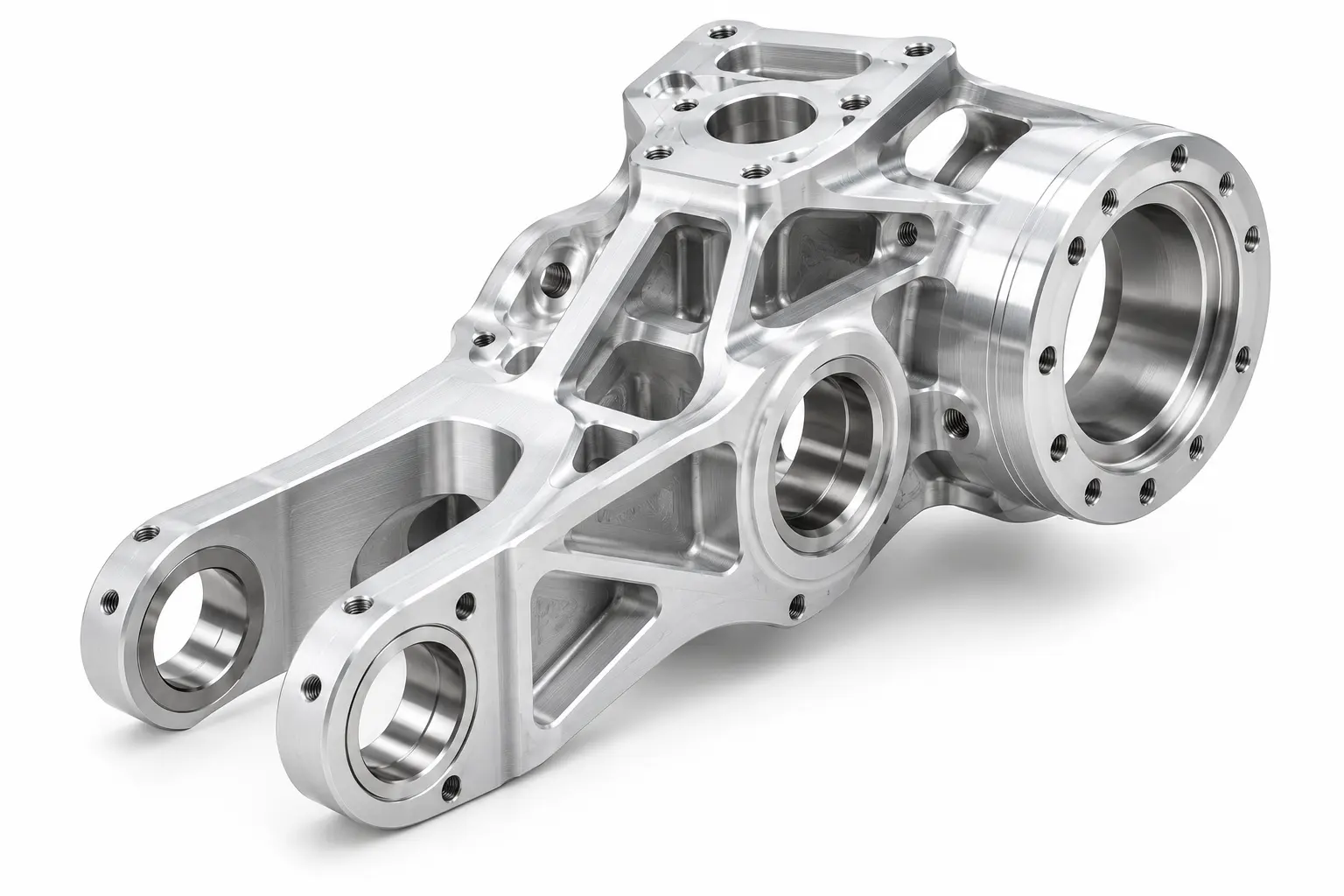
5-axis CNC machining supports deep pockets, ribs, thin-wall sections, cutouts, and complex fork geometries to reduce component weight while maintaining structural stiffness.
Precision Inspection
CMM, bore gauges, height gauges, micrometers, and custom inspection methods can verify bore position, parallelism, concentricity, flatness, locating datums, and critical joint interfaces before assembly.
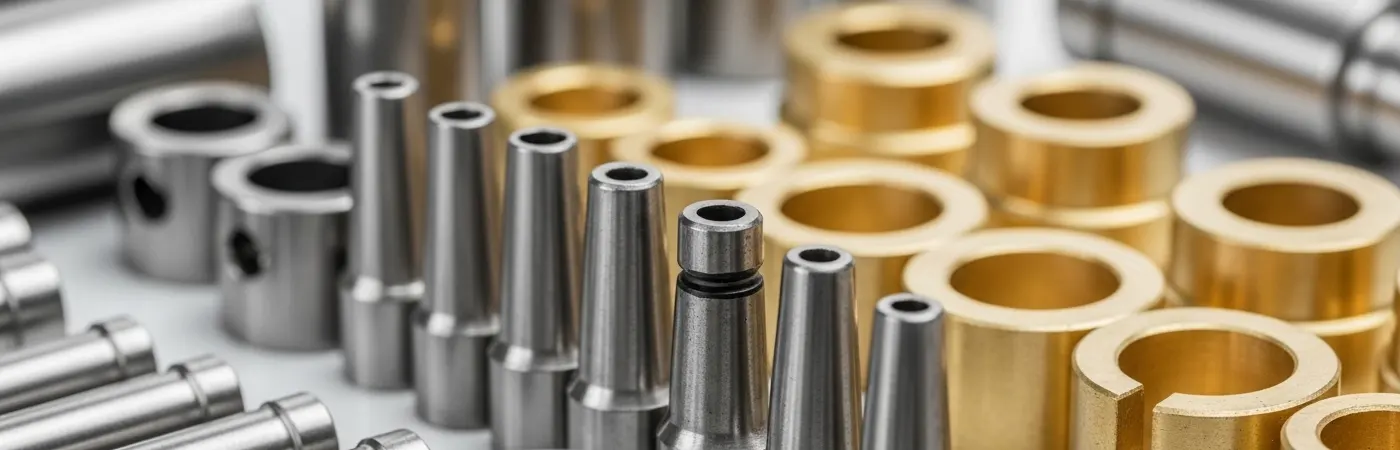
Refined Service, Shortened Delivery Time
From design review to delivery, we provide dedicated one-on-one follow-up throughout the entire process.
Consultation → Provide Drawings → Design Review & Quotation → Order Processing → Quality Inspection → On-time Delivery → After-sales Follow-up
Our Advantages
Backed by over 25 years of engineering experience, our team offers comprehensive services—from customized mold design and precision machining to full-scale production—supported by a robust quality assurance system and proactive customer service. Certified under ISO9001, ISO14001, and IATF 16949, we continually strive for excellence in quality, innovation, and customer satisfaction.
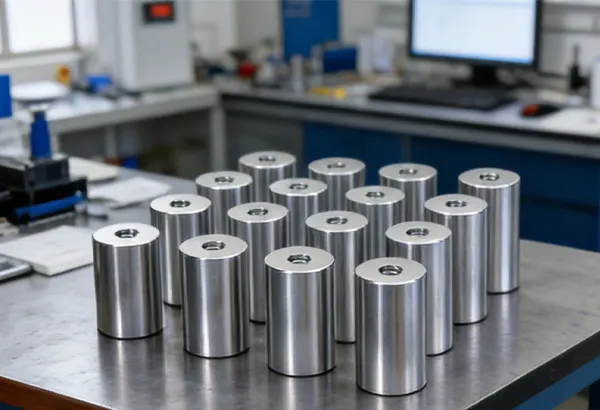
Over 100,000 units in stock, with 2-hour shipment for standard products.
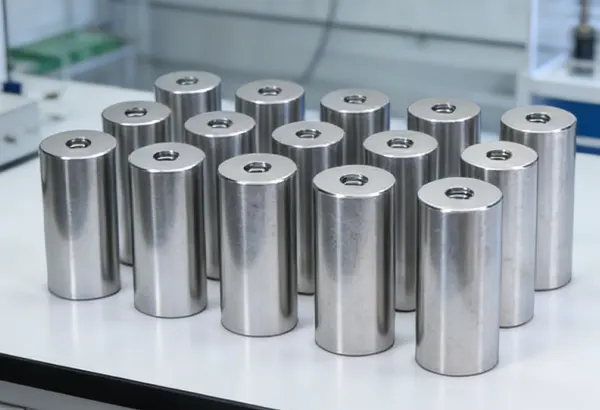
Implementing a three-stage inspection system—initial material check, in-process inspection, and final inspection.
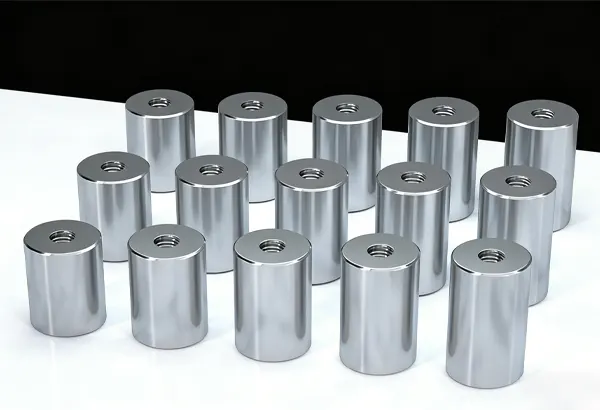
Large inventory and quick turnaround, ensuring on-time delivery with 100% product inspection.
Application Range
The preferred choice across various industries.
FAQ
Q1:What are humanoid hip joint support components? They are precision structural and mounting parts used to connect actuators, bearings, joint forks, output interfaces, and lower-body structures within a humanoid robot hip joint.
Q2: What components can be CNC machined for humanoid hip joints?
Typical parts include actuator mounts, bearing supports, joint forks, output flanges, pivot structures, locating components, and lightweight structural bodies.
Q3:Why is axis alignment important in humanoid hip joints?
Hip joints often combine multiple rotational axes. Errors in bore position, parallelism, or mounting datums can affect joint motion, bearing load, actuator alignment, and lower-body stability.
Q4: What materials are commonly used?
6061 and 7075 aluminum are commonly used for lightweight structures, while stainless steel, titanium, or tool steel may be selected for higher strength, fatigue resistance, or high-load interfaces.
Q5: Is 5-axis CNC machining suitable for hip joint components?
Yes. Many hip joint structures include angled bores, complex forks, deep pockets, multi-side interfaces, and lightweight geometries, making 5-axis machining particularly suitable.